
The Final Word That Wins: Mastering the Art of a Powerful Closing Statement
 Admin
Published
DeskLaw
Admin
Published
DeskLaw
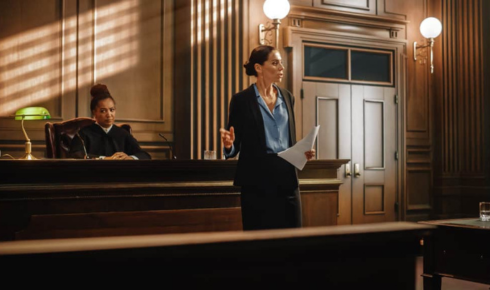
There’s something undeniably magnetic about a well-spoken final word. It lingers. It echoes. Whether in a courtroom, a boardroom, or even just during a debate over dinner, how you wrap things up can be the difference between forgettable and unforgettable.
Yet, we often overlook this moment—the ending. We rush to summarize, recap, or stumble to the finish line. But closing statements deserve more. They deserve intention. They deserve voice. And yes, they deserve preparation.
So let’s dig in. Not like a legal textbook or a lecture. More like two people over coffee, chatting about how to say something that lands and lasts.
Why The Ending Holds So Much Weight
It’s funny—beginnings get all the spotlight. Openings are rehearsed, polished, dressed up in flair. But endings? Endings are where you seal the deal. They’re your final shot to steer emotion, clarify confusion, and leave your message resonating long after people leave the room.
You could spend an hour making your case, but if you wrap it with a weak close, guess what people remember? Not your evidence. Not your passion. Just that you fizzled out.
The strongest communicators — from trial lawyers to TED speakers — know this. And they treat their closing statements like gold.
Understanding the Role of a Closing Statement in Court
If you’ve ever watched a real trial (not just a courtroom drama), you’ll notice something: the closing argument isn’t a formality. It’s not a checkbox. It’s the performance of the truth.
A closing statement in court is where lawyers tie together weeks (sometimes months) of evidence, testimony, objections, and strategy — into one cohesive, persuasive message. It’s where they don’t just tell the jury what happened, they tell them why it matters. And maybe more importantly, what to feel about it.
It’s not about theatrics. It’s about clarity, credibility, and conviction.
More Than Recap: The Psychology Behind a Strong Close
Think back to your school days. Ever crammed for an exam and remembered only the stuff you studied last? There’s science behind that. Humans naturally recall the last thing they hear more than the middle bits. That’s why the end of your message has outsized influence.
Good closings don’t repeat what you’ve said. They reframe it. They pull out the golden thread and weave everything into a single, emotional arc. It’s storytelling with a purpose.
This holds true beyond the courtroom, too. Whether you’re pitching an idea, defending your stance in a debate, or leading a negotiation — your last few sentences can shift the entire perception of your argument.
So, What Makes a Good Closing Statement?
Alright. Let’s get real. There’s no magic formula. But there are some solid, tried-and-true elements most good closing statements include:
- Clarity: Don’t be cryptic. This is the time for plain language.
- Emotion: People rarely remember facts, but they always remember how something made them feel.
- Connection: Reconnect with your audience—be it a jury, a board, or a room full of skeptics.
- Simplicity: One strong takeaway is better than five scattered thoughts.
- Intentional delivery: Pace. Tone. Pause. Don’t rush the landing.
A closing statement is your echo. Make it worth hearing again.
Bringing It All Together with Closing Arguments
Let’s pause and take a breath. Because closing arguments aren’t just about having the last word. They’re about making that last word count.
Imagine you’re a defense attorney. You’ve challenged evidence. You’ve questioned credibility. But now, it’s your final moment. Do you repeat every detail again? Nope. You highlight the gaps in the story the prosecution told. You guide the jury toward doubt. You make it feel personal.
Or picture yourself presenting a business proposal. You’ve walked them through forecasts, features, roadmaps. But in the end? You shift gears. You don’t pitch — you inspire. You remind them of the why behind it all.
That’s the heartbeat of a great closing argument — moving beyond logic and into meaning.
Examples That Stick with You
Let’s go through a few stylized examples (not lifted from courtrooms, but built from real-life tone):
- In a legal case:
“You’ve heard the stories. You’ve seen the evidence. But stories without truth are just fiction. And tonight, you’re not just jurors—you’re the authors of this outcome. Let’s write a fair ending.” - In a business pitch:
“We’ve shown you the numbers. But this isn’t about profit margins. It’s about building something that lasts. Something we can all be proud of. And that starts with your ‘yes’ today.” - In a student debate:
“We started with a question: what defines justice? And after everything said, we believe the answer is simple — equity, transparency, and a future we can all stand behind.”
What do they have in common? They don’t sound robotic. They breathe. They land.
Common Mistakes to Avoid
No one’s perfect. But if you want to level-up your closings, avoid these traps:
- Don’t just list facts: This isn’t a grocery list. Pick what matters.
- Don’t introduce new info: That ship has sailed. Don’t confuse your audience now.
- Don’t ramble: Aim for impactful, not exhaustive.
- Don’t lose your tone: If you started calm, don’t end yelling. Stay aligned.
The closing is your signature. Make it match the rest of the letter.
The Takeaway: Speak Like It Matters — Because It Does
Whether you’re in a courtroom, at a conference table, or even on a stage, your closing moment is a gift. It’s your chance to take everything you’ve said — all the research, passion, facts, and fire — and deliver it like a story that’s just finished writing itself.