The Roof Above the Business: What Commercial Buildings Taught Me About Storms, Structure, and Staying Prepared
 Admin
Published
DeskHome Services
Admin
Published
DeskHome Services
There’s something uniquely humbling about walking into your building first thing in the morning, coffee in hand, and noticing the unmistakable puddle on the floor that definitely wasn’t there yesterday. It’s quiet. The lights hum. Everything looks normal—until it’s suddenly not. That was my Monday not too long ago. A slow drip… then a bigger one… then that sinking feeling deep in your stomach telling you that something went very, very wrong on the roof over the weekend.
That’s the funny thing about business properties: we treat them like they’re indestructible until nature reminds us just how wrong we are.
And that’s how I found myself learning more than I ever expected (or wanted) about commercial roofing, and why maintaining the top of your building is every bit as essential as what goes on inside it.
A Leaky Reality Check
I’d love to say I handled the situation calmly. Instead, I spent the first ten minutes pacing around the puddle like it might evaporate on its own if I stared hard enough. Spoiler: it didn’t.
Once the shock wore off, the responsibility kicked in. Employees were coming in. Deliveries were scheduled. Customers would be walking through these doors. A leaking ceiling wasn’t just inconvenient—it was unprofessional and unsafe.
And the truth is, these problems rarely come out of nowhere. There are warning signs long before water makes its grand entrance inside. I’d seen a few—slightly darker ceiling tiles, a suspiciously soft spot on the roof walkway, gutters that overflowed after the last storm. But I shrugged them off. Business owners are great at ignoring problems when we’re juggling a dozen others.
That puddle on the floor forced me to stop ignoring.
Finding the Right Experts (Fast)
Calling for help wasn’t the hard part. Finding the right help was.
The first company I contacted couldn’t send anyone out for three days. The second didn’t answer. The third asked if I “could wait until next week.” Next week? Not unless I wanted a rooftop swimming pool dripping into my lobby.
Eventually, a friend in the construction industry connected me with a local crew who handled large-scale installation and repairs for commercial buildings. And that’s when things finally began to feel… manageable.
They were there within hours, not days. They brought thermal cameras, moisture meters, and enough equipment to make my warehouse feel like the set of a sci-fi movie. But more than the tools, it was their confidence that mattered. They’d seen it all—sun-damaged roofing, hail-pummeled membranes, drainage systems backed up so badly they looked like mini lakes.
They weren’t rattled. And for the first time that day, neither was I.
Storm Season Doesn’t Play Fair
It turned out the weekend’s storm had done more than knock over a few patio chairs. High winds peeled back a section of roofing membrane, and sideways rain did the rest. Texas storms (or insert your state’s name—weather is ruthless everywhere) don’t tap gently on your door; they burst through it with muddy boots and track water exactly where you don’t want it.
The crew explained that what I was dealing with was textbook storm damage repair, and while it looked bad inside, the structural issue hadn’t gone too deep yet. If they’d caught it a week later, the insulation might’ve been ruined, mold could’ve formed, and we’d be talking thousands more in damage.
Timing matters. The weather doesn’t wait, and neither should we.
What I Learned on That Roof (That I Wish I Knew Earlier)
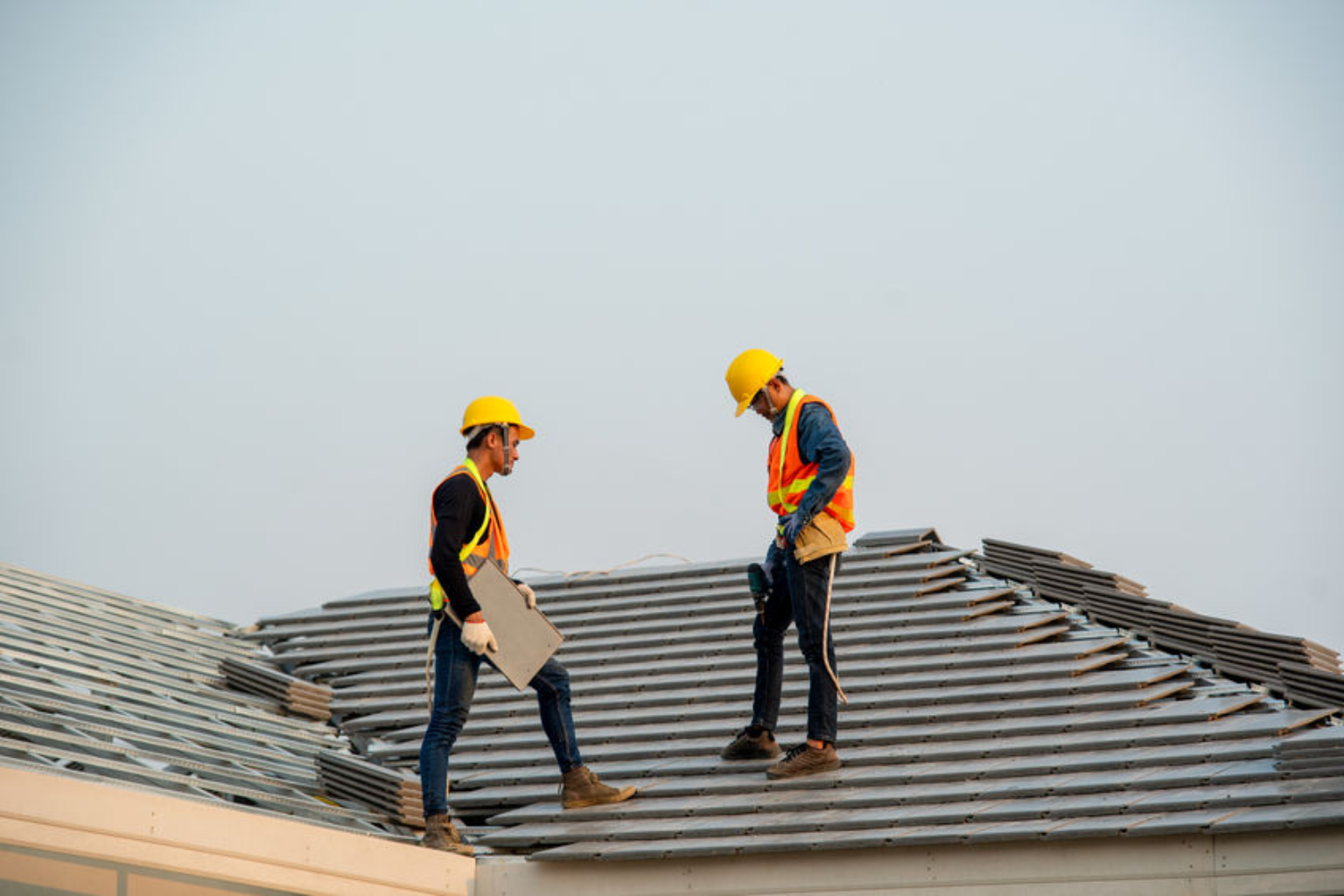
Walking the roof with the crew was eye-opening. From the ground, buildings look strong and solid. Up there? You see the truth. Tiny cracks. Old caulking. Areas where sun exposure has worn things thin. Drains clogged with leaves, dirt, and whatever else the wind decides to gift-wrap for you.
A commercial roof isn’t just “the top of the building”—it’s a complex system. Layers of insulation, membranes, adhesives, flashing, drainage routes, access points… all of it working together to keep water out.
And you know what the team kept saying?
“It’s easier to maintain than repair.”
It sounds obvious, yet most of us don’t do it. We wait. We hope. And then we panic when the ceiling starts crying.
Maintenance: The Boring Hero of Roofing
Maintenance isn’t glamorous. No one brags about paying for roof evaluations or cleaning drains. But you know what is glamorous? Not closing your business for repairs. Not losing inventory. Not apologizing to customers for caution cones and cordoned-off areas indoors.
Consistent inspections and preventive care every 6–12 months can make the difference between a small fix and a major rebuild. And that’s a lesson I wish I’d learned before a puddle taught it to me.
Think of it like going to the dentist. You either do your cleanings and deal with minor discomfort… or you wait until it hurts, and suddenly you’re scheduling a root canal.
The Work Begins (And So Does the Relief)
The repair process wasn’t exactly quiet. Or pretty. But the team was efficient. They sealed the membrane, reinforced weak areas, improved the drainage flow, and double-checked every potential trouble spot.
By the time they finished, the roof felt… solid. Like the building was “held together” again. The puddle inside was cleaned up. The ceiling tile replaced. The panic gone.
And I made myself a promise: no more waiting for disaster to strike before taking action.
What I’d Tell Any Business Owner Reading This
If your building hasn’t had a roof check in the last year, schedule one.
If a storm just rolled through your area, don’t assume you’re fine.
If something looks off—even slightly—trust your gut.
Your roof protects your business, your people, your assets, your reputation. A leak doesn’t just cost money; it costs confidence.
And here’s what surprised me most: staying ahead of problems doesn’t cost nearly as much as I always assumed it did. It’s the waiting that’s expensive.
Closing Thoughts from Someone Who’s Been There
Now, when I unlock the building in the morning, I don’t glance nervously at the ceiling. Storms don’t make me worry—they remind me to be grateful. Because the roof over my business isn’t just a structure. It’s a shield. And shields need care if they’re going to do their job well.