

You know that moment in the grocery store when you’re standing in front of the beverage aisle, eyes darting between rows of bottled waters? Spring, mineral, sparkling… and then there’s that sleek, matte-labeled bottle boasting “pH 9+” and the words “ionized” or “alkaline” printed like it’s some kind of secret health code. You toss it in your cart — not because you fully understand it, but because hey, it feels healthy.
Been there. Done that. More than once.
But lately, I’ve found myself wondering: What exactly is alkaline water? Is it just hype wrapped in fancy branding, or is there something real behind the trend?
The Basics They Don’t Really Explain
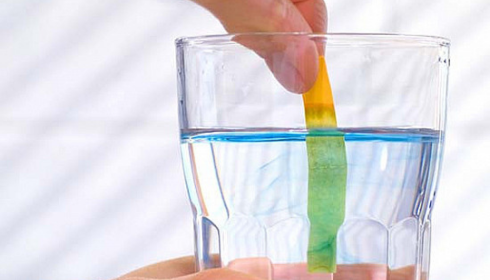
So let’s strip it down. At its core, alkaline water is water with a higher pH level than regular drinking water. While tap water usually sits around pH 7 (neutral), alkaline water typically clocks in at 8 or 9, making it slightly more basic.
Some of it comes that way naturally — especially if it’s flowing through mineral-rich rock or springs. But a lot of what’s on shelves today is processed to raise the pH, often using something called electrolysis or by adding minerals like calcium and magnesium.
It’s not just about pH, though. Many of the health claims tied to alkaline water stem from the belief that it helps balance acidity in the body — a theory that’s had both fans and skeptics for years.
My First Taste: More Marketing Than Miracle?
I first tried a bottle of akaline water (yep, the label actually had that spelling — guess we’re all branding experts now) after a yoga class. The girl next to me pulled it from her tote like it was liquid gold. “You’ll never go back to regular water,” she whispered like we were sharing secrets.
Did it taste better? Kind of. It was smooth, almost soft. Not drastically different, but enough to make me curious.
Did I feel instantly revitalized? Eh, not exactly. But to be fair, I don’t expect miracles from anything that costs $2.89 a bottle.
Still, the vibe around alkaline water intrigued me. People weren’t just drinking it. They believed in it — like it had healing properties or some subtle energy shift that made them feel more balanced, more hydrated, more… them.
What the Science Actually Says (and Doesn’t)
Here’s the honest scoop: The alkaline water definition is pretty straightforward — it’s water with a pH greater than 7. But when it comes to whether it can truly detox your body, fight disease, or slow aging, the research gets fuzzy.
Some small studies suggest benefits for acid reflux, and there’s limited evidence that it might help improve hydration after intense workouts. But for the most part, your body already does a stellar job at regulating pH levels — no matter what you drink.
That said, the lack of ironclad proof doesn’t mean it’s useless. If drinking it makes you feel better, more energized, or even just inspires you to hydrate more regularly — that’s already a win.
The Taste Test (and Why It Matters)
I’ve done side-by-side comparisons. Tap water, filtered water, spring water, and alkaline water. And yes, there’s a noticeable difference. Alkaline water tends to taste softer and smoother — less metallic, especially if your local tap has hard water issues.
For someone who struggles to hit their hydration goals (ahem, me), that slight improvement in taste is a big deal. It makes me want to drink more water, which is something my future skin and kidneys will thank me for.
Should You Switch?
That depends on your lifestyle and your wallet. If you’re dealing with acid reflux, do lots of high-intensity workouts, or simply hate the taste of your tap water, giving alkaline water a try might be worth it. But don’t expect it to change your life overnight.
If you’re spending a small fortune on bottled versions, consider investing in a home ionizer or a filtration system that includes pH-boosting minerals. It’ll save money in the long run, and you’re not contributing to the mountain of single-use plastic.
And if you’re totally happy with your current hydration routine? Stick with it. There’s no magic in pH alone. The magic is in consistency — staying hydrated, no matter what’s in your cup.
So, Final Verdict?
Alkaline water isn’t a cure-all, but it’s not a scam either. It’s a preference — like choosing dark roast over light, or oat milk over dairy. For some, it’s a hydration upgrade. For others, it’s just good marketing. And that’s okay.