

Most businesses don’t think about water until something goes wrong. It’s not a flashy part of operations. It doesn’t sit in boardroom conversations or show up in marketing plans. But it flows through almost everything—coffee machines, industrial equipment, sanitation systems, and HVAC units.
When water quality is stable, everything feels seamless. When it isn’t, problems start appearing in ways that are surprisingly disruptive.
The truth is, water is one of those silent foundations of commercial efficiency. You rarely notice it when it’s working properly, but the moment it isn’t, operations can slow down in ways no one expects.
Why Businesses Depend on Consistent Water Quality
Water touches nearly every corner of commercial environments. Restaurants use it in food preparation. Manufacturing facilities rely on it for cooling and processing. Hotels depend on it to maintain guest comfort. Even office buildings need reliable water for sanitation and climate control systems.
Because it plays such a constant role, consistency matters more than anything else.
Variations in mineral levels, impurities, or sediment content can create small disruptions that gradually grow into larger operational challenges.
Maintaining consistent water quality isn’t just a technical requirement—it’s a business necessity.
The Hidden Costs of Poor Water Quality
Poor water conditions can lead to scale buildup inside pipes and equipment. Over time, this buildup reduces efficiency, increases energy consumption, and shortens the lifespan of expensive machinery.
In customer-facing industries, water quality can also influence perception. Coffee brewed with untreated water may taste inconsistent. Dishware washed with mineral-heavy water may appear cloudy. Laundry services may struggle with residue on fabrics.
These seemingly small issues can affect customer satisfaction and operational costs simultaneously.
Addressing water quality proactively helps businesses avoid these hidden expenses.
The Role of Advanced Filtration in Commercial Settings
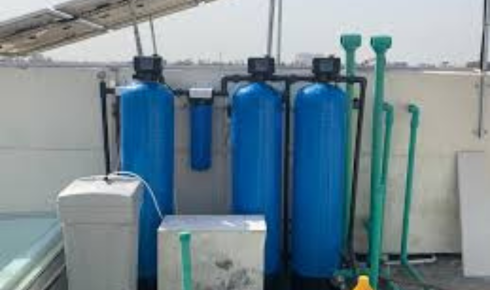
One of the most effective solutions for improving water quality in high-demand environments is commercial reverse osmosis systems.
These systems use specialized membranes to remove dissolved impurities, minerals, and contaminants that traditional filtration methods may not address.
Reverse osmosis technology ensures water remains consistent regardless of source variations.
For industries like food service, pharmaceuticals, and manufacturing, this consistency is essential for maintaining product quality and operational reliability.
Managing Hard Water Challenges in Commercial Facilities
Hard water is a common concern in many regions. It contains elevated levels of calcium and magnesium, which can create scale deposits inside pipes, boilers, and heating systems.
To address this issue, many businesses rely on commercial water softeners.
These systems remove excess minerals before water enters equipment, preventing buildup that can reduce performance and increase maintenance costs.
By maintaining balanced mineral levels, water softeners help protect infrastructure and support long-term operational efficiency.
Why Efficiency Matters in Modern Businesses
In today’s competitive landscape, businesses constantly seek ways to reduce operational costs and improve sustainability.
Water treatment systems contribute significantly to water efficiency by optimizing usage and reducing waste.
Efficient systems minimize energy consumption, prevent equipment strain, and support consistent performance across operations.
These improvements not only lower expenses but also align with environmental responsibility goals that many organizations prioritize.
The Long-Term Benefits of Water Treatment Investments
While installing water treatment systems requires upfront investment, the long-term benefits often outweigh initial costs.
Reduced maintenance expenses, extended equipment lifespan, and lower energy consumption create measurable savings over time.
Businesses also benefit from improved reliability, avoiding unexpected downtime caused by water-related issues.
This stability supports smoother workflows and enhances overall productivity.
The Emotional Value of Operational Reliability
Beyond technical advantages, reliable water quality provides a sense of operational confidence.
When businesses know their systems are protected from water-related problems, they can focus on growth, customer experience, and innovation rather than constant troubleshooting.
This peace of mind is an often-overlooked benefit of effective water treatment solutions.
It allows teams to work with greater confidence and fewer disruptions.
Choosing the Right Water Treatment Approach
Every commercial environment has unique water requirements based on industry, location, and usage patterns.
Professional water assessments help identify specific challenges and determine appropriate treatment solutions.
From reverse osmosis systems to softening technologies, selecting the right combination ensures optimal performance without unnecessary complexity.
Tailored solutions provide the most effective results.
A Quiet Foundation for Business Success
Water may not appear in strategic planning documents or financial projections, but it quietly supports nearly every aspect of commercial operations.
Its quality influences efficiency, equipment performance, customer satisfaction, and long-term costs.
Investing in reliable water treatment systems strengthens this foundation, ensuring businesses operate smoothly and consistently.