

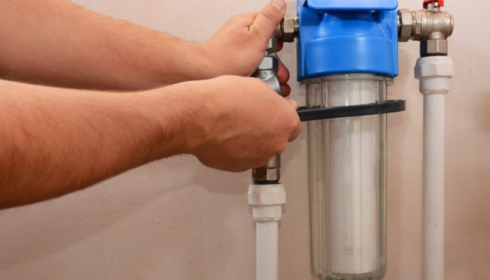
There’s a quiet kind of confidence that comes with knowing your water is clean. Not “maybe-it’s-fine” clean — but genuinely, thoroughly filtered, safe, and soft. It’s not something you shout from the rooftops, but it makes everything just a little better. Your morning coffee tastes brighter. Your skin doesn’t feel tight after a shower. Your appliances hum along without scaling up like a science project.
But let’s be real — most of us install a water filtration system and then promptly forget it exists.
It’s working, sure… until it’s not.
Why Maintenance Isn’t Optional (Even If Your Water Looks Fine)
The thing about water systems — whether it’s a reverse osmosis unit, a carbon filter, or a softener tucked away in the garage — is that they’re the definition of “silent workhorses.” They do their job quietly, day in and day out, with no flashy signs that something’s wrong. At least, not until you start noticing the subtle signs: a dip in pressure, a faint odor, maybe even buildup in places that used to stay spotless.
That’s where the unsung hero of system upkeep comes in: regular system inspection. It’s the first, best line of defense against wear, tear, and those minor hiccups that snowball into big, expensive headaches. A simple check every few months can uncover clogged filters, slow leaks, or deteriorating parts before they mess with your water quality — or your wallet.
RO Systems and the Heart of the Operation
If your setup includes a reverse osmosis system, you’ve got something pretty powerful under your sink. These things are great at stripping out all the nasties — heavy metals, fluoride, even some microbes. But they’re not invincible.
Inside every RO system is a semi-permeable membrane doing the heavy lifting. But like any filter, it has a lifespan. Let it go too long, and not only does the water quality suffer, but the entire system could start working overtime, wasting water or wearing down prematurely. That’s why timely membrane replacement isn’t just helpful — it’s essential.
You wouldn’t drive a car 100,000 miles without changing the oil. Same principle here. Keep the membrane fresh, and the whole system breathes easier.
Hard Water Problems? Your Softener’s Tired Too
Ah, hard water — the invisible nuisance. It doesn’t always taste bad, but it certainly leaves its mark. Crusty faucets, foggy glassware, stiff laundry. If you’ve invested in a water softener, kudos — your pipes and appliances are silently thanking you.
But like every other filtration system, softeners need upkeep too. Over time, the resin bed loses effectiveness, salt bridges can form, and the valve might get gunked up with iron or other minerals. That’s where professional water softener service comes into play.
It’s not just about pouring in salt and calling it a day. A good service call checks the settings, cleans out the brine tank, and ensures everything’s regenerating properly. If your soft water suddenly feels… less soft, it’s probably time to give your softener a little love.
Don’t Wait for “Bad” Water to Do Something
Here’s the kicker — by the time you taste or see a problem, it’s already well past the point of easy fixes. Water that smells like chlorine or eggs, or feels slippery in the shower — these are signs. But ideally, you want to act before these show up.
Routine maintenance may sound like a chore, but think of it as preventive care. You don’t wait to feel awful before visiting the doctor, right? Same idea. Keeping your water system in check helps ensure it’s not just functioning, but thriving — giving you peace of mind with every sip, wash, and rinse.
A Few Simple Habits Go a Long Way
If you’re worried this all sounds complicated, don’t be. Most modern systems are user-friendly and even come with built-in alerts or app notifications these days. But even without the tech, a few calendar reminders can make a huge difference.
Check filters every 3 to 6 months. Schedule an annual system inspection. Replace membranes when recommended. If you use a softener, keep an eye on the salt level. If something starts tasting “off,” trust your instincts — it usually means your system is overdue for attention.
Little steps, big payoff.
Clean Water, Clear Conscience
We often talk about clean water like it’s a luxury, but really — it should be a baseline. And if you’ve already invested in a filtration or softening system, you’re halfway there. You’ve done the hard part. Now, just don’t forget the follow-through.