

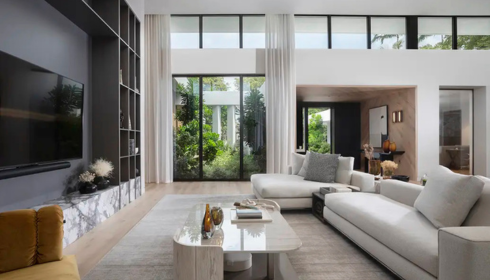
There’s a moment that happens when you walk into a well-designed home. You might not even notice it consciously, but your shoulders drop. The space feels calm. It makes sense. Nothing shouts for attention, yet everything feels intentional. That kind of home doesn’t come from copying trends or buying the most expensive furniture—it comes from understanding how people really live.
Design, at its best, isn’t about impressing guests. It’s about supporting everyday life. Morning routines, quiet evenings, loud dinners, messy weekends. A good home holds all of that without judgment. And getting there is less about perfection and more about making thoughtful choices, one layer at a time.
What Design Really Means (Beyond the Pretty Stuff)
A lot of people think design starts with colors or finishes. Paint swatches. Tile samples. Fabric books. But that’s not really the beginning. Real design starts with questions.
How do you move through your space?
Where do you pause during the day?
What frustrates you about your current home?
The answers to those questions shape everything that follows. The best interior design services don’t push a signature style or a rigid formula. Instead, they listen first. They notice patterns in how you live and translate those habits into layouts, materials, and details that quietly improve daily life.
Good design doesn’t announce itself. It shows up when you realize you no longer trip over furniture, or when your kitchen finally works during busy mornings. That’s when you know it’s doing its job.
When Change Is Necessary, Not Just Desired
Sometimes design isn’t about starting fresh—it’s about fixing what no longer fits. Maybe your family has grown. Maybe your lifestyle has changed. Maybe the house you loved five years ago now feels cramped or outdated.
This is where remodel design becomes less about aesthetics and more about problem-solving. Renovations are emotional. They bring excitement, stress, dust, and about a thousand decisions you didn’t know you’d have to make. But when done thoughtfully, they give homes a second life.
A good remodel respects what already exists while gently reshaping it. Walls move to improve flow. Light is brought in where it was missing. Storage appears where clutter used to live. The goal isn’t to erase the past—it’s to adapt the space so it works better now.
And yes, there will be moments of doubt along the way. That’s normal. What matters is having a clear vision and a steady hand guiding the process.
Starting From Nothing Can Be a Gift (and a Challenge)
Building a home from the ground up sounds like a dream—and it is—but it’s also a massive undertaking. A blank slate offers freedom, but it also demands clarity. Every decision matters, because there’s no existing structure to hide behind.
That’s where new build design shines. It’s not just about drawing floor plans or selecting finishes. It’s about imagining how life will unfold in a space that doesn’t exist yet. How sunlight enters in the morning. Where shoes will pile up by the door. How sound travels when the house is full.
Designers who work on new builds think ahead in ways most homeowners wouldn’t. They anticipate needs before they arise and solve problems before they’re built into the walls. The result is a home that feels intuitive from day one—not something you have to “figure out” after moving in.
Design That Serves Real Life
The best-designed homes aren’t frozen in time. They evolve. A guest room becomes a nursery. A formal dining area turns into a workspace. A once-quiet living room fills with toys, pets, and noise.
Design should allow for that. It should flex and adapt without losing its sense of calm. That means choosing durable materials where life gets messy. Creating layouts that can shift as needs change. Leaving room—physically and emotionally—for growth.
Truly successful design doesn’t fight reality. It embraces it.
The Details That Make the Difference
There’s a reason people fall in love with homes that feel “effortless.” It’s usually because someone obsessed over the details. Not flashy details—useful ones.
Lighting placed where it actually helps. Outlets where you need them. Storage that hides clutter without feeling bulky. Transitions between rooms that feel natural instead of abrupt.
These choices don’t demand attention, but they quietly improve everyday experiences. And once you live with them, it’s hard to imagine living without them.
Why Rushing Rarely Pays Off
Design takes time. Not because it’s slow, but because it’s layered. The best spaces come together through conversations, revisions, trial and error. Rushing often leads to regret—choices that look good at first but don’t age well or don’t fit real habits.
Taking a thoughtful pace allows ideas to mature. It leaves space for intuition to catch up with inspiration. And it usually results in a home that still feels good years down the line, not just right after the reveal.
A Home That Feels Like Yours
At the end of the day, good design isn’t about awards or admiration. It’s about recognition—the moment you walk into your home and think, “Yes. This feels like me.”
Whether you’re refreshing a single room, reworking an existing layout, or building from scratch, the goal is the same: to create a space that supports your life, reflects your values, and feels comfortable in all its imperfect, lived-in beauty.