

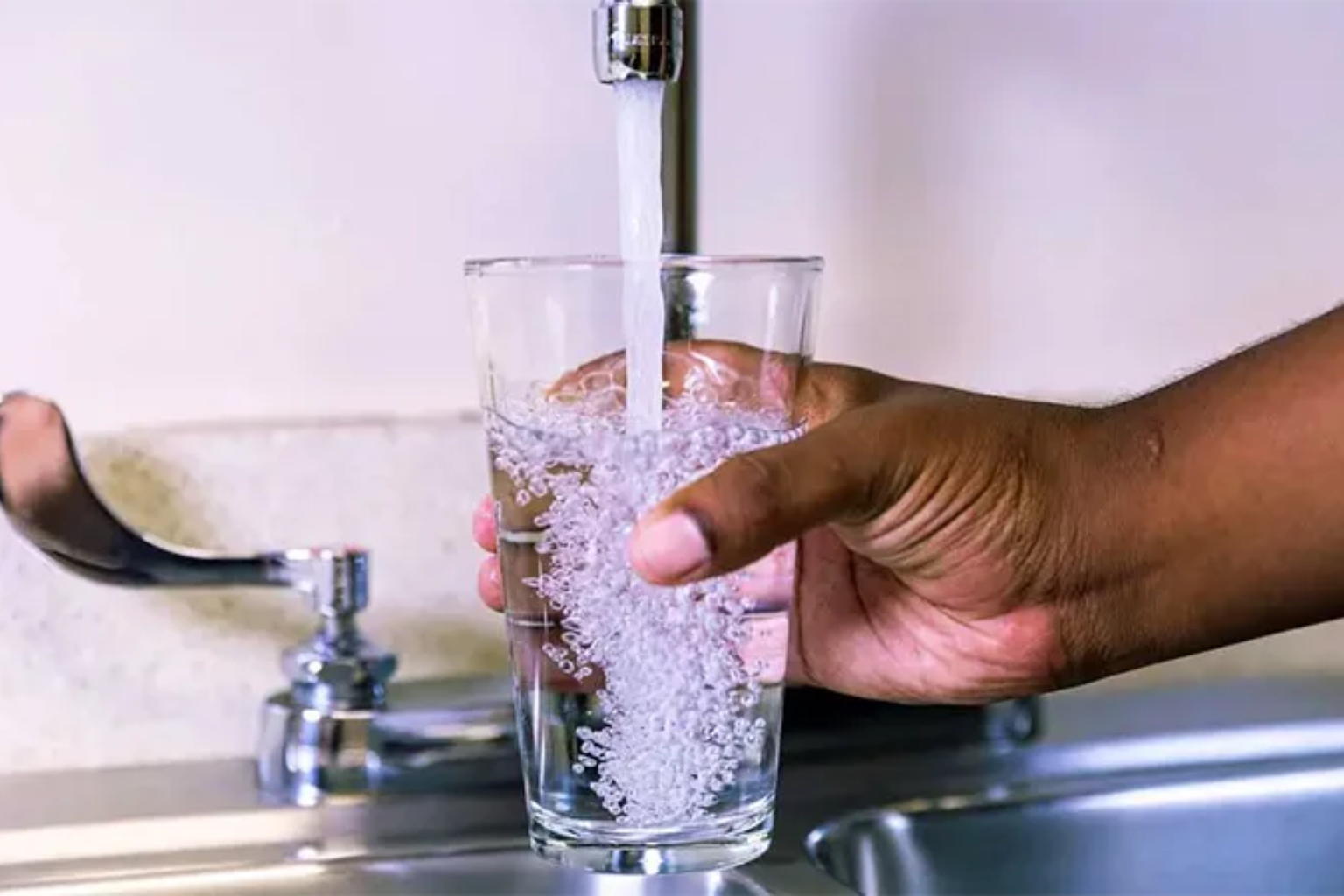
Let’s face it — water is one of those things most of us take for granted… until something feels a little off. Maybe it’s the taste, a slight chlorine smell, or a viral news story making you question everything that comes out of your faucet. If you’re in Nashville, you’ve probably caught yourself wondering: “Is the tap water around here actually safe to drink?”
Well, pour yourself a glass (or not — we’ll get to that), and let’s talk about it.
First Off — What’s in Nashville’s Water, Anyway?
Before we get into the nitty-gritty, here’s some quick context. Nashville gets its drinking water primarily from the Cumberland River. The city’s Water Department, Metro Water Services (MWS), uses a multi-step treatment process involving filtration, disinfection, and corrosion control. Sounds good on paper, right?
But the river isn’t exactly pristine spring water. Like most surface water sources, it’s exposed to everything from agricultural runoff and industrial waste to stormwater contaminants. That’s not to say it’s toxic — far from it. The treatment plant does a pretty solid job of scrubbing things clean. Still, it means what’s in your water today might not be the same next month, especially after heavy rains or regional construction work.
So, let’s cut to the chase: is tap water in Nashville safe to drink? Technically, yes — it meets all federal and state safety standards. MWS consistently passes EPA testing for regulated contaminants like lead, copper, chlorine byproducts, nitrates, and bacteria.
But “safe” and “perfect” aren’t always the same thing.
Safe on Paper vs. What People Actually Experience
Just because something is considered “safe” by regulatory standards doesn’t mean everyone wants to gulp it down happily. Lots of Nashville residents report issues like:
- A strong chlorine taste or smell
- Cloudiness in the water after it sits
- White sediment left in kettles or humidifiers
- Dry skin or brittle hair after showers
These aren’t necessarily health hazards, but they’re definitely annoying — and they raise fair questions about what’s in the water that might not be flagged by basic compliance testing.
You see, water reports only cover regulated contaminants, but there are plenty of unregulated substances (like PFAS — aka “forever chemicals”) that could still be present in trace amounts. That’s why so many locals go beyond the official data and ask: can you drink the tap water in Nashville comfortably, without a filter?
What the Reports Say — And What They Don’t
Metro Water Services publishes an annual Water Quality Report, and the 2023 results were — on paper — solid. No major violations, and levels of lead, copper, and chlorine were well within acceptable limits. Good news!
But let’s unpack that. “Acceptable limits” doesn’t mean zero. For example, the EPA allows up to 15 parts per billion (ppb) of lead in tap water. Even if Nashville’s levels come in under that — and they usually do — some health experts say any amount of lead exposure carries risks, especially for kids and pregnant women.
Then there’s chlorine. MWS uses it to disinfect the water, which is important (nobody wants E. coli in their sink), but it can leave behind byproducts like trihalomethanes (TTHMs). These are also within legal limits — but again, that doesn’t mean zero risk. And for folks with sensitive skin or health conditions, even trace amounts can be irritating.
So technically, yes — Nashville tap water is drinkable. But it’s also a little more complicated than that.
What Locals Are Doing
If you talk to ten different Nashvillians, you’ll probably get ten different answers about what they use for drinking water.
Some swear by their under-sink reverse osmosis systems. Others stick with trusty Brita pitchers. A growing number use whole-house filters to tackle taste, odor, and potential contaminants at every faucet.
And then there are those who still head to Kroger to stock up on gallon jugs — just to be on the safe side.
You might also notice more homes using softeners or filtration attachments on showers and kitchen taps. It’s not that everyone’s scared of their water. It’s just that once you know what might be in there, it’s hard to un-know it.
What About the Pipes?
One hidden factor a lot of people forget about is the plumbing in their own homes. Even if Nashville’s water leaves the treatment plant squeaky clean, it still has to travel through miles of aging infrastructure to reach your house. In older neighborhoods especially, outdated service lines could contribute trace metals or sediment.
If you’ve ever turned on the tap after a long trip and seen brownish water, that’s usually rust or sediment from sitting pipes. Letting it run for 30 seconds usually clears things up — but it’s still unsettling if you’re about to fill a bottle or cook dinner.
This is especially relevant in historic areas like East Nashville or Germantown, where homes with pre-1986 plumbing might still have lead-soldered pipes. The city’s water might be treated to reduce corrosion, but no system is perfect.
Should You Filter It?
Here’s the million-dollar question: Do you need a filter in Nashville?
Need? Maybe not. But if you’re concerned about taste, chlorine levels, or potential contaminants, a good filter is a solid investment.
Pitcher-style filters are a great starting point — they’re inexpensive, low-maintenance, and remove basic chlorine and sediment. If you’re after something more comprehensive (like lead, microplastics, or PFAS), look for NSF-certified filters with more muscle. Under-sink or countertop reverse osmosis systems tend to offer the best all-around protection — though they’re not cheap and do require installation.
Ultimately, it’s a personal choice. And with all the info available now, it’s easier than ever to make an informed one.
Final Thoughts: So… Should You Drink It?
Let’s bring it home.
Yes, Nashville tap water is drinkable — especially by regulatory standards. The city works hard to ensure it’s treated, monitored, and maintained. But water safety is also personal. What’s technically “safe” may not feel totally right to everyone, and that’s okay.
Whether you’re sipping straight from the tap, filling up a filtered pitcher, or sticking with bottled water, the important thing is knowing what’s in your glass — and why it matters.