

Most people don’t wake up one morning and suddenly realize their water has changed. It’s usually more subtle than that. The signs slip in quietly, like background noise you don’t notice until someone points it out.
You might see it in a glass pulled from the dishwasher that looks slightly foggy. Or in a shower door that never seems completely clean, no matter how often you scrub it. Sometimes it’s the way soap feels stubborn—refusing to lather no matter how much you use.
At first, you brush it off. But over time, these small annoyances start forming a pattern, and eventually you wonder whether the issue isn’t your cleaning habits at all.
More often than not, the real culprit is hard water.
What Hard Water Really Means
Hard water isn’t a modern problem. It’s something that’s existed as long as water has flowed through rock and soil. As water travels underground, it dissolves minerals like calcium and magnesium. By the time it reaches your home, it carries these minerals along with it.
These minerals aren’t harmful to drink. In fact, they’re naturally found in many foods. But they can significantly affect how water behaves in everyday use.
And that’s where the trouble begins—not in safety, but in practicality.
The Early Signs Most People Overlook
Many homeowners don’t recognize the signs of hard water right away because they don’t appear all at once.
You might first notice soap leaving behind a thin film on your skin. Then you realize your laundry feels stiff even after using fabric softener. Perhaps you see white spots forming on faucets or kitchenware.
Individually, these things don’t seem like a big deal. But together, they point to one common issue: excess mineral content in your water.
Recognizing these signs early can help prevent larger problems later.
Understanding Water Hardness Levels
Not all hard water is the same. Water hardness exists on a spectrum, ranging from mildly hard to extremely hard.
Professionals measure water hardness levels based on the concentration of calcium and magnesium in the water supply.
Slight hardness may cause only minor inconvenience. But higher levels can create persistent cleaning challenges and accelerate wear on plumbing and appliances.
Testing water hardness provides a clearer picture of how severe the issue is and whether treatment solutions may be beneficial.
The Visible Impact Around Your Home
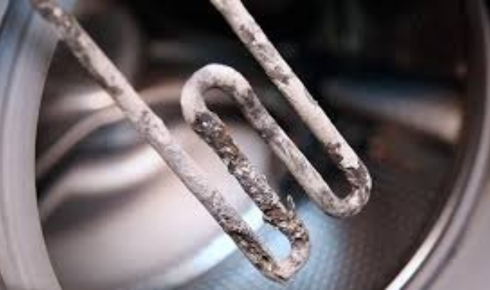
One of the most obvious consequences of hard water is the formation of scale deposits.
These white, chalky residues appear on faucets, showerheads, kettles, and even inside pipes. Over time, they can build up to the point where water flow becomes restricted.
Appliances that rely on heated water—such as water heaters, washing machines, and dishwashers—are especially vulnerable.
Scale acts like insulation on heating elements, forcing appliances to work harder and consume more energy.
This can lead to higher utility bills and increased maintenance costs.
How Hard Water Affects Cleaning and Personal Care
Hard water changes how soap and detergents interact with surfaces.
When soap meets mineral-rich water, it forms a residue instead of creating a rich lather. This residue can cling to fabrics, dishes, and bathroom surfaces.
As a result, homeowners often find themselves using more cleaning products than necessary.
Personal care routines can also feel different. Hard water may leave hair looking dull and skin feeling dry after bathing.
These changes aren’t harmful, but they can reduce comfort in everyday life.
The Hidden Effects on Plumbing Systems
Beyond visible inconveniences, hard water can affect the internal workings of your home.
Mineral buildup inside pipes can gradually reduce water pressure. Plumbing systems may experience increased wear as scale accumulates over time.
Left untreated, these issues can lead to costly repairs and shortened appliance lifespan.
Because these effects develop slowly, they often go unnoticed until they become significant.
Why Hard Water Doesn’t Always Taste Different
Interestingly, hard water doesn’t always taste unpleasant. In some cases, the dissolved minerals add a slightly crisp flavor that people actually enjoy.
This can make it difficult to identify hardness issues based on taste alone.
Instead, physical signs around the home usually provide the clearest clues.
How to Confirm Hard Water at Home
If you suspect your water may be hard, professional testing is the most reliable way to confirm it.
Testing measures mineral concentration and identifies potential contaminants.
With this information, homeowners can decide whether treatment solutions are necessary based on their specific water conditions.
Understanding your water quality allows for more informed decisions about maintaining home comfort and efficiency.
A Quiet Change That Makes Everyday Life Easier
Hard water isn’t a dramatic problem—it’s a gradual one.
Its effects show up quietly, through small inconveniences that slowly accumulate over time. But once addressed, the difference can be surprisingly noticeable.