When Your Roof Needs Attention: Repair, Maintenance, or Replacement?
 Admin
Published
DeskHome Services
Admin
Published
DeskHome Services
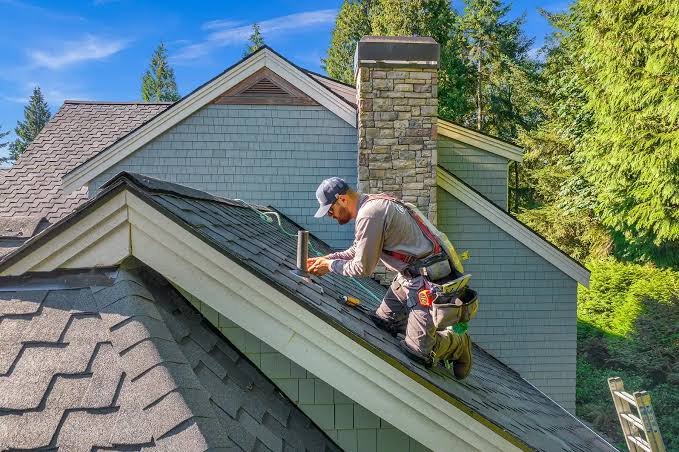
A roof rarely announces that it’s in trouble. There’s no warning bell, no flashing dashboard light. Instead, the signs tend to creep in quietly: a brown patch on the ceiling, a few loose shingles after a storm, or that annoying drip you notice only when it rains hard. And by the time you start paying attention, the problem may have been growing for months.
That’s why understanding the difference between roof replacement, repairs, and routine care matters. A roof is one of the biggest protective features of your home, sitting between your family and everything the weather can throw at you. Knowing what it needs can save money, prevent unnecessary damage, and give you some peace of mind.
Not Every Roof Problem Means a New Roof
It’s tempting to think that an aging roof automatically needs to be replaced. Thankfully, that isn’t always true.
Small problems can often be corrected before they turn into expensive headaches. A cracked shingle, damaged flashing, minor leak, or loose section of roofing may be repairable, especially when the rest of the roof is still in reasonably good condition.
On the other hand, repeated leaks, widespread deterioration, sagging areas, or extensive water damage can point toward a larger issue. If your roof has reached the end of its expected service life, repeatedly fixing individual problems may simply delay the inevitable.
A professional inspection can help put things into perspective. Sometimes the answer is a simple fix. Sometimes it’s more complicated. Either way, guessing usually isn’t the best strategy.
Knowing When a Repair Makes Sense
A good roof repair can extend the useful life of your roofing system without the cost and disruption of replacing everything.
Repairs are generally worth considering when the damage is localized. For example, if strong winds have blown off a handful of shingles, a qualified roofing professional may be able to replace those areas without disturbing the rest of the roof.
Other common repair situations include:
- Damaged or missing shingles
- Small areas of flashing failure
- Minor leaks around vents or chimneys
- Loose roofing materials
- Limited storm damage
- Small sections affected by moisture
The important part is acting sooner rather than later. Water has a funny way of finding its path. A leak that begins around one shingle can eventually affect insulation, decking, drywall, and even structural components.
And remember, the visible stain on your ceiling isn’t necessarily where the water entered. Roofing problems can be deceptive like that.
When Replacement Becomes the Better Choice
There comes a point when repairing an old roof is a little like repeatedly patching an old pair of shoes. You can keep doing it, but eventually you’re spending more energy keeping the thing together than replacing it.
A roof replacement may be the smarter option when the roofing system has widespread damage or has simply reached the end of its expected lifespan.
Some signs worth taking seriously include extensive shingle deterioration, frequent leaks, visible sagging, large areas of exposed roofing material, or widespread water damage. If several repairs have been needed within a relatively short period, that’s another reason to ask whether continued patching makes financial sense.
Replacement also gives homeowners an opportunity to address underlying problems. Poor ventilation, inadequate flashing, damaged decking, or outdated roofing materials can sometimes be corrected during the installation of a new system.
It’s a significant investment, of course. But a properly installed new roof can improve protection, curb appeal, energy performance, and the overall value of a property.
Maintenance Is the Part Homeowners Often Skip
Roofing maintenance isn’t glamorous. Nobody wakes up excited to inspect flashing or clean gutters. Still, regular care can make a surprisingly big difference.
Good roof maintenance is mostly about catching small issues before they become expensive ones. That might mean checking the roof after severe weather, keeping gutters and downspouts clear, watching for damaged shingles, and making sure water drains away from the home properly.
Trees deserve attention, too. Overhanging branches can scrape roofing materials, drop debris, and provide an easy route for pests. Trimming them back can reduce several risks at once.
You should also keep an eye on the attic. Dark stains, damp insulation, musty smells, or signs of condensation can indicate moisture problems that aren’t obvious from the outside.
A little attention here and there is far easier than dealing with major interior water damage later.
Weather Can Change the Equation
Roofing materials don’t live in a bubble. Their performance is affected by the environment around them.
Heavy rain can expose weak points. Strong winds can lift shingles or damage flashing. Hail can create small impacts that aren’t immediately obvious. Snow and ice can introduce additional stress in colder regions, while prolonged sunlight can gradually deteriorate some roofing materials.
That’s why a roof inspection after a major storm can be worthwhile, even if everything looks fine from the ground.
It’s also important not to assume that insurance will automatically cover every roofing problem. Coverage depends on the policy and the cause of the damage. Normal aging and lack of maintenance may be treated very differently from sudden storm-related damage.
If you suspect storm damage, documenting what you see and contacting the appropriate professionals promptly can make the process much easier.
Choosing a Roofing Professional
Roofing work is one of those jobs where experience really matters. A quick internet search can produce plenty of options, but homeowners should look beyond the first name they find.
Ask whether the contractor is properly licensed where required, insured, experienced with your roofing material, and willing to provide a clear written estimate. It’s also sensible to check reviews and references rather than relying solely on a polished website.
A trustworthy contractor should be comfortable explaining what they found and why they recommend a particular solution. If someone immediately pushes for a complete replacement without carefully inspecting the roof, it’s reasonable to get another opinion.
The cheapest quote isn’t necessarily the cheapest choice in the long run. Poor workmanship can create leaks and premature failures that cost far more to correct.
Think Long-Term, Not Just About Today
Roof decisions are easier when you look beyond the immediate problem.
If a small repair can realistically add several useful years to a roof, that may be the practical choice. If the roof is already deteriorating across large areas, continuing to spend money on isolated repairs may not be sensible. And if routine maintenance has been neglected, getting the roof professionally assessed can help establish a clearer starting point.
There’s no universal answer because every roof is different. Age, materials, climate, installation quality, ventilation, storm exposure, and previous repairs all matter.
The best approach is simple: pay attention, act early, and don’t ignore the little signs. A roof doesn’t need constant worry, but it does need respect.
After all, it’s doing an important job every day, quietly protecting everything underneath it. A little care now can prevent a much bigger problem when the next storm rolls through.