Finding the Right Water Filtration System for Your Home and Everyday Needs
 Admin
Published
DeskHome Services
Most people don’t think much about their household water until something changes. Perhaps the drinking water has an unpleasant taste, the kettle develops a chalky coating, or soap seems to disappear without producing much lather. These little frustrations can be easy to ignore, but they may also be signs that your home could benefit from a better water treatment setup.
The challenge is knowing where to begin. There are filters that fit beneath the kitchen sink, compact systems that sit on the countertop, and larger solutions designed to address mineral buildup throughout the house. Each serves a different purpose, and choosing the right one starts with understanding your water rather than buying the first product that looks promising.
Start by Understanding Your Water Quality
Water quality varies from one location to another. Some households receive treated municipal water that tastes strongly of chlorine, while others depend on private wells that may contain naturally occurring minerals, iron, or other substances. Even in the same neighborhood, the condition of household plumbing can influence the water coming from an individual tap.
A simple observation can offer clues, but it can’t tell the whole story. White deposits around faucets commonly indicate hardness, while reddish stains may be associated with iron. An unusual smell, however, doesn’t automatically reveal which substance is responsible, and clear water isn’t necessarily free from contaminants.
If you’re considering a filtration system, begin with a water quality test. A qualified laboratory can help identify the substances that need attention. Municipal water customers can also review their local water quality report, although testing at home may be useful when plumbing-related concerns exist.
This step prevents a common mistake: paying for a system that treats a problem your household doesn’t actually have. Once the results are available, comparing products becomes much more straightforward.
Under-Sink Filters: A Practical Kitchen Upgrade
For many homeowners, the kitchen is the most sensible place to start. Drinking, cooking, preparing baby formula, and filling reusable bottles all depend on convenient access to water that tastes good and meets the household’s needs.
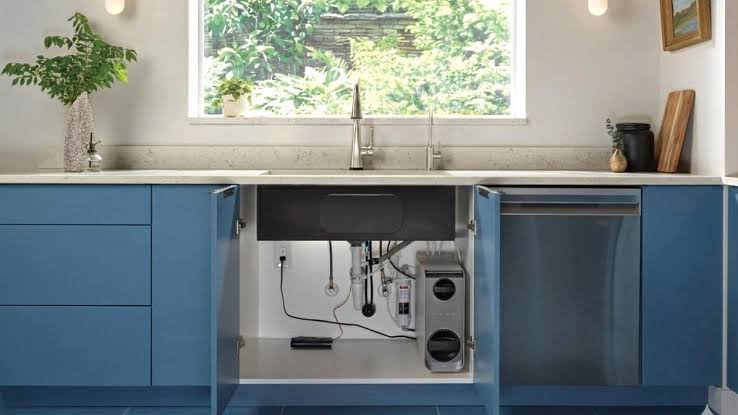
Under sink water filters are installed beneath the kitchen sink and generally connect to the cold-water supply. Depending on the design, treated water may come through a dedicated faucet or the existing tap. Because the main unit stays out of sight, this arrangement keeps the countertop relatively uncluttered.
The technology inside the system matters more than its appearance. Activated carbon filters can reduce chlorine taste and odor, while certain certified systems are designed to reduce specific contaminants such as lead or selected organic compounds. Reverse osmosis units can reduce many dissolved substances, depending on their design and certification.
Before choosing a model, check exactly what it is certified to reduce. A filter that improves taste should not automatically be assumed to remove bacteria, nitrates, or heavy metals. Look for independent certifications relevant to your concerns and follow the manufacturer’s replacement schedule.
Under-sink systems do require some planning. You’ll need enough cabinet space, access to plumbing, and room to replace cartridges. Reverse osmosis models may also need a drain connection and, depending on the design, an electrical outlet. These requirements are usually manageable, but it’s better to know about them before installation day.
Countertop Filtration for Simpler Installation
Not everyone wants to modify kitchen plumbing. Renters, apartment residents, and people who prefer a straightforward installation may find a countertop system more convenient.
Countertop water filtration covers several types of products, from gravity-fed units to filters that connect directly to a faucet. Some require little more than a stable surface and regular cartridge changes, while others use an adapter to direct tap water through a filtration unit.
The main advantage is accessibility. You can often install or remove a countertop filter without major changes to the kitchen, making it an appealing choice for temporary living arrangements. Many models also allow you to see the unit and monitor its condition more easily.
There are trade-offs, of course. Countertop systems take up workspace, and faucet-connected models may not fit every tap design. Their flow rates and treatment capabilities also vary widely. A compact filter may be excellent for reducing chlorine taste but unsuitable for addressing a more complicated water quality concern.
Think about your daily routine before deciding. If you regularly prepare meals, fill large bottles, or share a kitchen with several people, the system’s flow rate and capacity may matter just as much as its filtration technology. A smaller unit can work perfectly well for one person but become frustrating in a busy family kitchen.
When Hard Water Becomes a Household Problem
Filtration isn’t always the answer to every water complaint. If your shower screen develops stubborn white spots, your washing machine accumulates scale, or your soap struggles to lather, the issue may be hard water rather than a problem with drinking-water taste.
Hard water contains elevated concentrations of minerals, mainly calcium and magnesium. These minerals are common in groundwater and are not generally considered harmful at typical household levels. Still, they can affect cleaning, create deposits on fixtures, and contribute to scale inside water heaters and appliances.
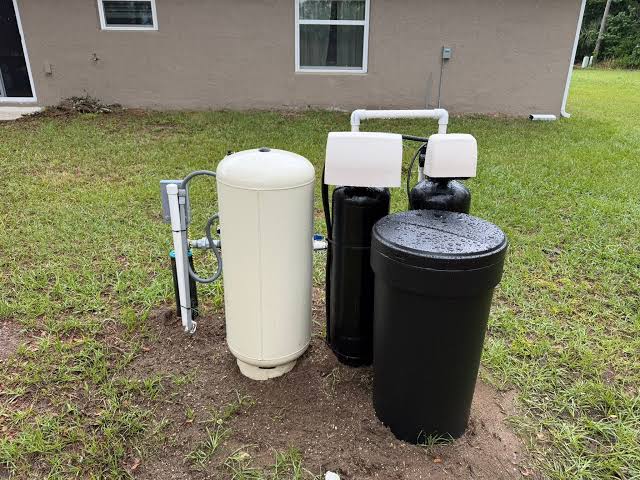
In these situations, water softener systems may offer a more suitable solution. Traditional water softeners typically use ion exchange to replace calcium and magnesium ions with sodium or, in some systems, potassium ions. This reduces water hardness and can make bathing, cleaning, and washing easier.
A whole-house softener treats water entering the home, rather than focusing on a single drinking-water faucet. That can be useful when hardness affects multiple bathrooms, laundry equipment, and hot-water appliances.
However, softeners have ongoing requirements. Salt-based models need regular replenishment and regeneration, and the system should be sized according to water hardness and household consumption. If sodium intake is a concern, discuss suitable options with a qualified professional. You may also prefer to keep an untreated or separately filtered drinking-water tap.
How to Compare Costs Without Missing the Details
The purchase price is only part of the equation. A filter may look inexpensive initially but require costly cartridges every few months. Another model might cost more upfront yet offer a longer service life or lower ongoing expenses.
When comparing systems, consider the following:
- Installation: Determine whether the unit can be installed easily or requires professional plumbing work.
- Replacement parts: Check cartridge prices, availability, and recommended replacement intervals.
- Performance: Match certified contaminant-reduction claims to your water test results.
- Capacity: Choose a system that can handle your household’s daily water use.
- Maintenance: Understand cleaning requirements, service intervals, and any additional operating costs.
It’s also worth asking about warranties and customer support. A reliable supplier should explain maintenance clearly rather than leaving you to work everything out after purchase.
Don’t assume that the most expensive system is automatically the best. A well-matched, properly maintained filter is often more useful than a feature-packed unit that doesn’t address your actual needs.
Keep Your System Working Properly
Even the best filtration equipment needs attention. Cartridges gradually become exhausted, components may wear, and neglected maintenance can reduce performance. Follow the manufacturer’s instructions and replace filters on schedule, even if the water still tastes normal.
Keep a simple record of installation dates and cartridge changes. If you notice a sudden change in taste, flow, or odor, investigate rather than assuming the filter needs only a routine replacement. For private wells, continue regular testing because treatment equipment doesn’t remove the need to monitor the original water supply.
A Better Fit Makes All the Difference
Choosing a household water system doesn’t need to be complicated. Under-sink units suit people who want convenient, out-of-sight drinking-water treatment. Countertop filters can offer flexibility without extensive installation, while water softeners address mineral hardness across the home.
The right choice depends on your water quality, available space, household habits, and maintenance budget. Test your water first, compare independently verified performance claims, and ask questions before committing to a purchase.
Good water treatment isn’t about owning the biggest or newest piece of equipment. It’s about finding a reliable solution that works quietly in the background, making everyday tasks easier and giving you greater confidence in the water you use.