Understanding Common Plumbing Problems Before They Become Expensive
 Admin
Published
DeskHome Services
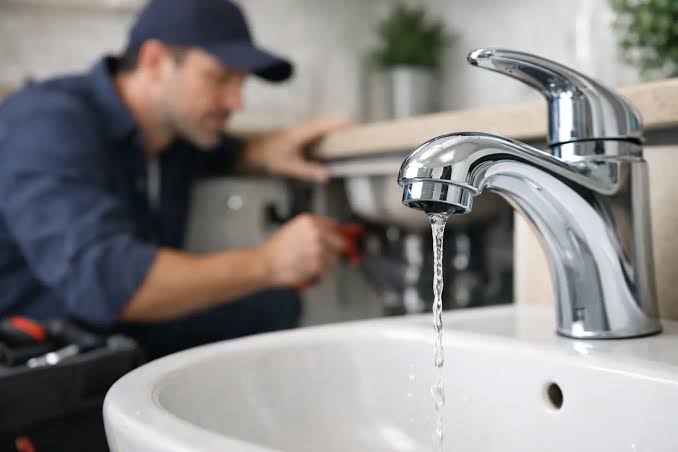
A home has a way of telling you when something isn’t quite right. Maybe the shower suddenly feels weaker than usual, the kitchen tap takes longer to fill a pot, or a faint dripping sound continues long after everyone has gone to bed. These little changes are easy to ignore, especially when life is busy. But plumbing problems rarely become easier to deal with when they’re left alone.
The good news is that you don’t need to understand every pipe and valve in your house to protect your plumbing system. Learning to recognize early warning signs, taking a few sensible precautions, and knowing when to call a professional can prevent unnecessary damage. Sometimes, a little attention today saves a great deal of frustration next month.
When Water Flow Changes, Pay Attention
Water pressure is something most people notice only when it stops behaving as expected. A strong shower becomes a weak trickle, the washing machine takes longer to fill, or water flow changes whenever another tap is opened. These inconveniences might seem minor, but they can point to an underlying problem.
Several factors can contribute to water pressure issues, including partially closed valves, mineral buildup, leaking pipes, faulty pressure regulators, or problems with the property’s main water supply. In some homes, the issue affects just one fixture. In others, several taps and showers experience the same change.
The difference matters. If only one faucet has weak flow, the aerator may be clogged with mineral deposits or debris. Cleaning it carefully could restore normal performance. However, if the entire house experiences a sudden drop in pressure, the cause may be more complex and deserves professional investigation.
It’s also worth noticing whether the change happens at a particular time of day. In some neighborhoods, water demand can affect supply pressure during busy morning and evening hours. If the problem appears consistently, keeping a short record of when it occurs can help a plumber narrow down the possibilities.
Don’t automatically assume that higher pressure is better, either. Excessively high pressure can strain hoses, appliance connections, valves, and pipe joints. A professional can measure the pressure and determine whether an adjustment or repair is appropriate.
Older Fixtures Can Hide Bigger Problems
There’s something familiar and reassuring about a kitchen faucet or bathroom tap that’s been in the house for years. It has survived countless mornings, rushed dinners, and weekend cleaning sessions. Still, even good-quality fixtures eventually wear out.
Signs of aging fixtures include persistent dripping, stiff handles, rust-colored marks, loose fittings, and difficulty controlling water temperature. Sometimes, replacing a worn washer or cartridge is enough. In other cases, internal corrosion or repeated leaks make a complete replacement the more practical choice.
Older fixtures may also be less efficient than modern alternatives. A newer faucet or showerhead can reduce unnecessary water use while maintaining comfortable performance, provided the product is suitable for the home’s existing plumbing. That doesn’t mean every old fixture needs to be replaced immediately. If it’s working reliably and has no signs of damage, there’s often no reason to rush into an upgrade.
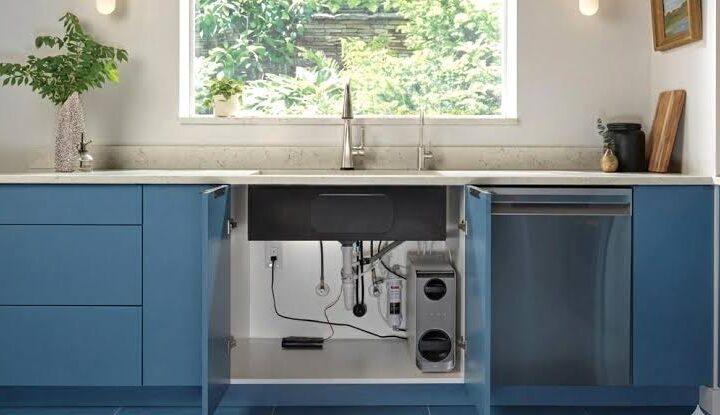
However, visible wear shouldn’t be the only consideration. Look at the connections beneath sinks, around toilet supply lines, and behind appliances where hoses may have been installed years ago. Rubber seals can deteriorate, fittings may loosen, and small leaks can remain hidden until a cabinet begins to smell damp or the flooring changes color.
When replacing a fixture, choose quality parts and make sure they’re compatible with the existing system. A low-cost product can look appealing on the shelf, but frequent leaks or difficult repairs may make it a poor long-term investment.
Small Leaks Deserve More Than a Quick Wipe
A few drops of water beneath a sink might not seem like an emergency. Many people simply place a towel underneath and plan to deal with the problem later. The trouble is that a towel can hide the evidence without fixing the cause.
Water can gradually damage wooden cabinets, weaken flooring, stain ceilings, and create conditions that encourage mold growth. A slow leak inside a wall may be particularly difficult to spot. Watch for unexplained damp patches, peeling paint, musty smells, or a water meter that continues moving when no water is being used.
Start with a simple visual check. Dry the affected area, run the tap briefly, and look for where the moisture returns. Avoid dismantling complicated pipework if you’re unsure how it fits together. If the leak is significant, spreading, or near electrical equipment, prioritize safety and shut off the water supply if you can do so safely.
Knowing the location of the main shut-off valve is useful for every homeowner. In a burst-pipe situation, a quick response can limit the amount of water entering the property while you arrange help.
Why Professional Repairs Often Save Money
There’s a temptation to fix every plumbing problem with a quick online tutorial and a trip to the hardware store. For simple tasks, that approach can work well. Replacing a showerhead or cleaning a faucet aerator is usually manageable with basic tools and a little patience.
More complicated plumbing repairs, however, require a clear understanding of what caused the fault in the first place. A pipe that keeps leaking may have excessive pressure, corrosion, or a damaged joint. Repeatedly tightening the same connection won’t necessarily solve the underlying issue.
Professional plumbers can inspect the system, test components, and identify problems that aren’t immediately visible. They may use specialized equipment to locate leaks or investigate recurring drain blockages without unnecessary disruption to walls and floors.
Before agreeing to major work, ask what the plumber believes is causing the problem, which repairs are recommended, and whether there are alternative options. A clear written estimate can help you understand labor, materials, and any additional work that may be required. It’s also reasonable to ask about warranties and maintenance recommendations.
The cheapest quote isn’t always the best value. Reliable workmanship, suitable materials, and a repair that lasts can be worth more than a temporary fix that needs attention again in a few weeks.
Habits That Help Prevent Future Problems
Good plumbing maintenance doesn’t require hours of work. A short inspection every month can reveal issues while they’re still manageable. Check beneath sinks, inspect visible pipe connections, listen for toilets that keep running, and look for dampness around appliances that use water.
Drain care matters, too. Use strainers to catch hair and food scraps, avoid pouring cooking grease down the kitchen sink, and never assume that wipes are safe to flush simply because their packaging suggests otherwise. If several drains begin slowing down at once, there may be a blockage in a shared line that requires professional attention.
It’s helpful to keep a record of major repairs and note the age of water heaters, shut-off valves, and frequently used fixtures. When something fails, those details can help you make a better decision about repair or replacement.
During home renovations, think beyond appearance. A beautiful bathroom or modern kitchen still depends on properly installed pipes, dependable drainage, and accessible shut-off valves. Planning these details early can prevent expensive changes later.
A More Reliable Home Starts With Awareness
Plumbing systems are easy to forget when everything works as expected. Water arrives when you turn on a tap, drains disappear quietly, and daily routines carry on without interruption. That’s exactly how it should be.
Still, paying attention to unusual sounds, changing water flow, worn fixtures, and small leaks can make a real difference. You don’t need to panic over every drip, but you shouldn’t ignore a problem that keeps returning.
Take care of simple maintenance tasks, understand the limits of do-it-yourself repairs, and bring in a qualified professional when the cause isn’t clear. With a little preparation and timely attention, homeowners can protect their property, reduce water waste, and avoid many of the unpleasant surprises that come with neglected plumbing.
A dependable plumbing system isn’t just about pipes and fittings. It’s about making everyday life a little easier, one working tap at a time.