

There’s a surprisingly simple moment that often sparks a deeper awareness — you pour a glass of tap water, take a sip, and notice it actually tastes… good. No chemical aftertaste. No faint plastic-like smell. Just clean, refreshing water that doesn’t make you pause before swallowing.
It’s not a dramatic change. It doesn’t come with flashing indicators or obvious upgrades. But once you experience it, it’s hard to go back to water that feels slightly off.
Most homeowners don’t think about filtration until small inconveniences start to stack up. Maybe it’s a chlorine smell when running the tap. Maybe it’s cloudy ice cubes or strange flavors in tea. Sometimes it’s just curiosity after hearing about water quality issues in nearby communities.
And that curiosity often leads to a fascinating discovery: water quality isn’t just about safety — it’s about comfort, confidence, and everyday living.
Why Tap Water Often Has a Taste
Municipal water systems do an excellent job of making water safe to drink. But safety doesn’t always guarantee ideal taste or sensory quality.
One of the most common reasons tap water tastes unusual is the presence of disinfectants like chlorine, which are essential for preventing bacterial growth during distribution.
Other factors include organic compounds, industrial byproducts, and environmental contaminants that may remain in trace amounts.
These substances don’t necessarily pose immediate risks, but they can affect how water smells, tastes, and feels in daily use.
That’s why many homeowners choose to go beyond basic treatment standards and invest in home filtration solutions.
The Role of Carbon Filtration in Water Treatment
Among the most widely used technologies for improving water quality is granular activated carbon, often referred to as GAC.
This filtration medium is created by heating carbon-rich materials such as coconut shells to produce an extremely porous structure. These microscopic pores trap organic compounds, chemical residues, and certain contaminants as water flows through.
The result is water that feels noticeably cleaner and more neutral in taste.
GAC filtration is particularly valued because it operates passively — once installed, it continuously removes unwanted substances without requiring complex maintenance.
Why Chlorine Removal Makes Such a Difference
Chlorine is essential for disinfecting water supplies, but it’s also responsible for many of the sensory issues homeowners notice.
Even small amounts can create a sharp taste and distinctive odor, especially when water sits in pipes overnight.
Filtration systems designed for chlorine reduction use activated carbon to neutralize these compounds effectively.
Once chlorine levels are reduced, many homeowners notice an immediate improvement. Drinking water tastes fresher, cooking results become more consistent, and beverages like coffee and tea develop richer flavors.
It’s one of the most noticeable changes that filtration systems provide.
Addressing Invisible Organic Contaminants
Beyond chlorine, water may also contain trace amounts of volatile organic compounds (VOCs). These substances can originate from industrial activities, agricultural runoff, or even household plumbing materials.
While typically present in small concentrations, they can still influence water quality over time.
Filtration technologies focused on VOC reduction use advanced carbon media to capture these organic molecules before they reach household taps.
For homeowners, this process adds another layer of reassurance, ensuring that water is not only pleasant to use but also consistently treated for potential contaminants.
The Everyday Benefits You Might Not Expect
Improved water filtration doesn’t just affect drinking water — it influences many aspects of daily life.
Filtered water typically leaves fewer residues on dishes and glassware, reducing the need for extra cleaning. Laundry feels softer when chemical residues are removed. Personal care routines may improve, as treated water is gentler on skin and hair.
Even indoor plants often respond better to filtered water because it lacks harsh disinfectants.
These subtle improvements accumulate over time, creating a more comfortable home environment.
The Psychological Value of Clean-Tasting Water
There’s also an emotional dimension to water quality that’s easy to overlook.
When homeowners trust their water supply, they feel more comfortable using it for drinking, cooking, and everyday activities. This confidence reduces background stress and enhances overall peace of mind.
Families no longer hesitate before filling a glass from the tap. They simply assume the water is reliable.
Over time, this trust becomes part of what makes a home feel stable and well-maintained.
Small Changes That Lead to Long-Term Benefits
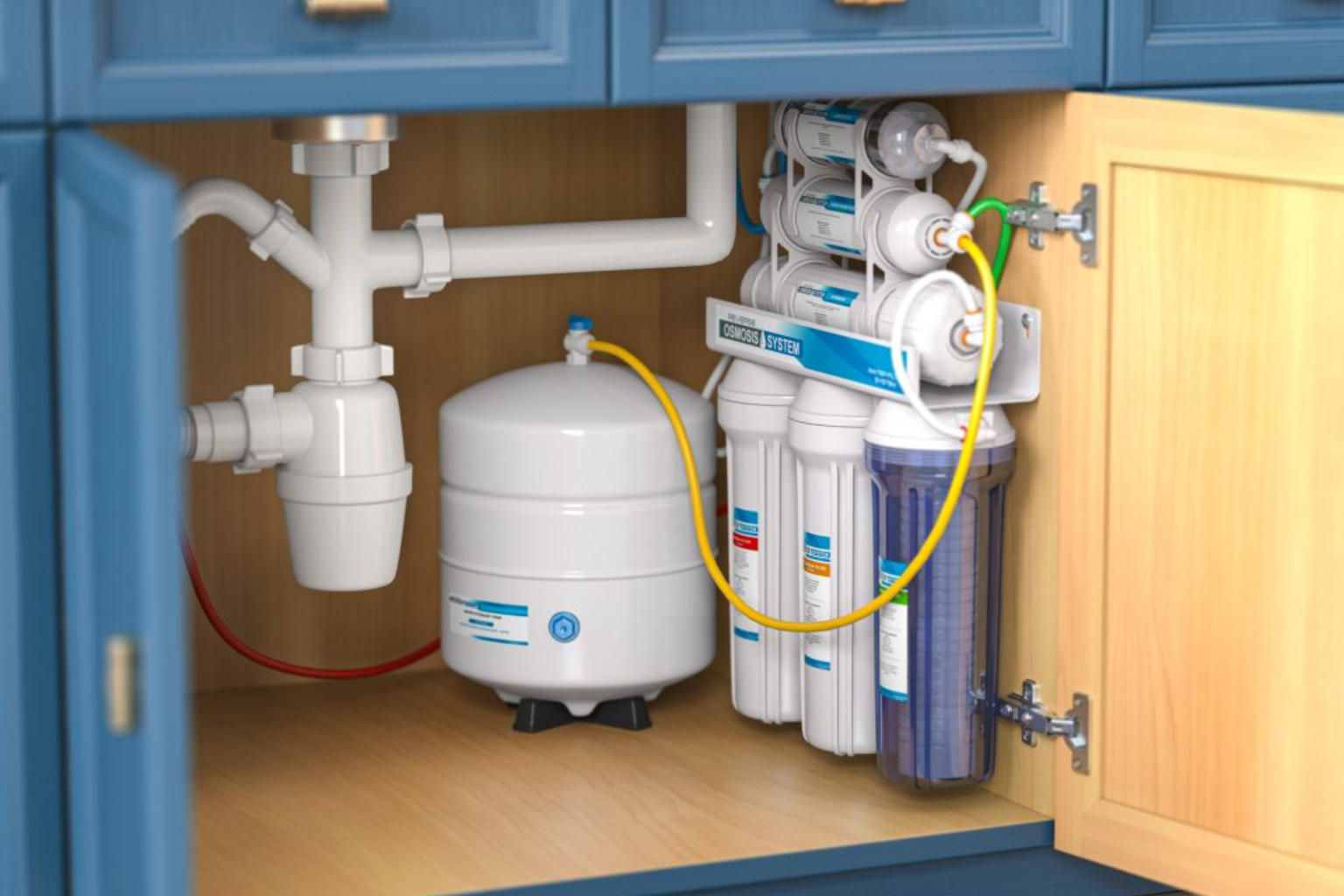
Improving water quality doesn’t require major lifestyle adjustments. Many homeowners begin with simple filtration systems installed at the point of entry or under the kitchen sink.
Once in place, these systems operate quietly in the background, delivering continuous benefits without requiring constant attention.
They also help protect plumbing infrastructure by reducing chemical exposure and sediment buildup.
Over time, this contributes to lower maintenance costs and improved appliance performance.
A Home That Supports Everyday Comfort
At its core, a home should do more than provide shelter. It should create an environment that supports health, convenience, and daily routines.
Clean, balanced water plays a fundamental role in achieving this goal. It influences hydration, food preparation, hygiene, and household maintenance.
By investing in effective filtration technologies, homeowners create living spaces that feel more reliable and easier to manage.
The Quiet Transformation of Better Water
Perhaps the most remarkable aspect of modern water filtration is how seamlessly it integrates into daily life.
Once installed, filtration systems work silently, ensuring consistent water quality without disrupting routines.
And in the end, that quiet reliability is what makes them so valuable.
Because when your tap water finally tastes like water — clean, neutral, and refreshing — it doesn’t just improve what you drink. It transforms how your entire home feels to live in, making everyday life smoother, healthier, and far more comfortable over time.