

Most of us rarely stop to think about water. It’s simply there — flowing from the tap, filling kettles, rinsing dishes, running through showers. It feels so ordinary that we often assume it’s perfectly fine as long as it looks clear.
But clear doesn’t always mean ideal.
Sometimes the signs are subtle. Soap doesn’t lather quite right. Glasses come out of the dishwasher with cloudy streaks. Skin feels dry after a shower. Coffee tastes slightly off, even when you buy good beans.
None of these problems are dramatic enough to raise alarms, so they quietly become part of everyday life — until, of course, they’re fixed. That’s when people suddenly realize how much water quality influences comfort, convenience, and even long-term household costs.
The Hidden Problem Many Homes Share
One of the most common water issues is hardness. Hard water contains dissolved minerals like calcium and magnesium that naturally occur in groundwater sources.
These minerals aren’t dangerous to drink, but they can create a surprising number of daily inconveniences.
They leave behind scale buildup on faucets and appliances. They make laundry feel stiff. They reduce soap efficiency, forcing people to use more cleaning products than necessary.
Over time, mineral deposits can even clog pipes and reduce the lifespan of water heaters and washing machines.
It’s a quiet problem — one that builds slowly until homeowners start noticing the effects everywhere.
Why Softening Water Makes a Big Difference
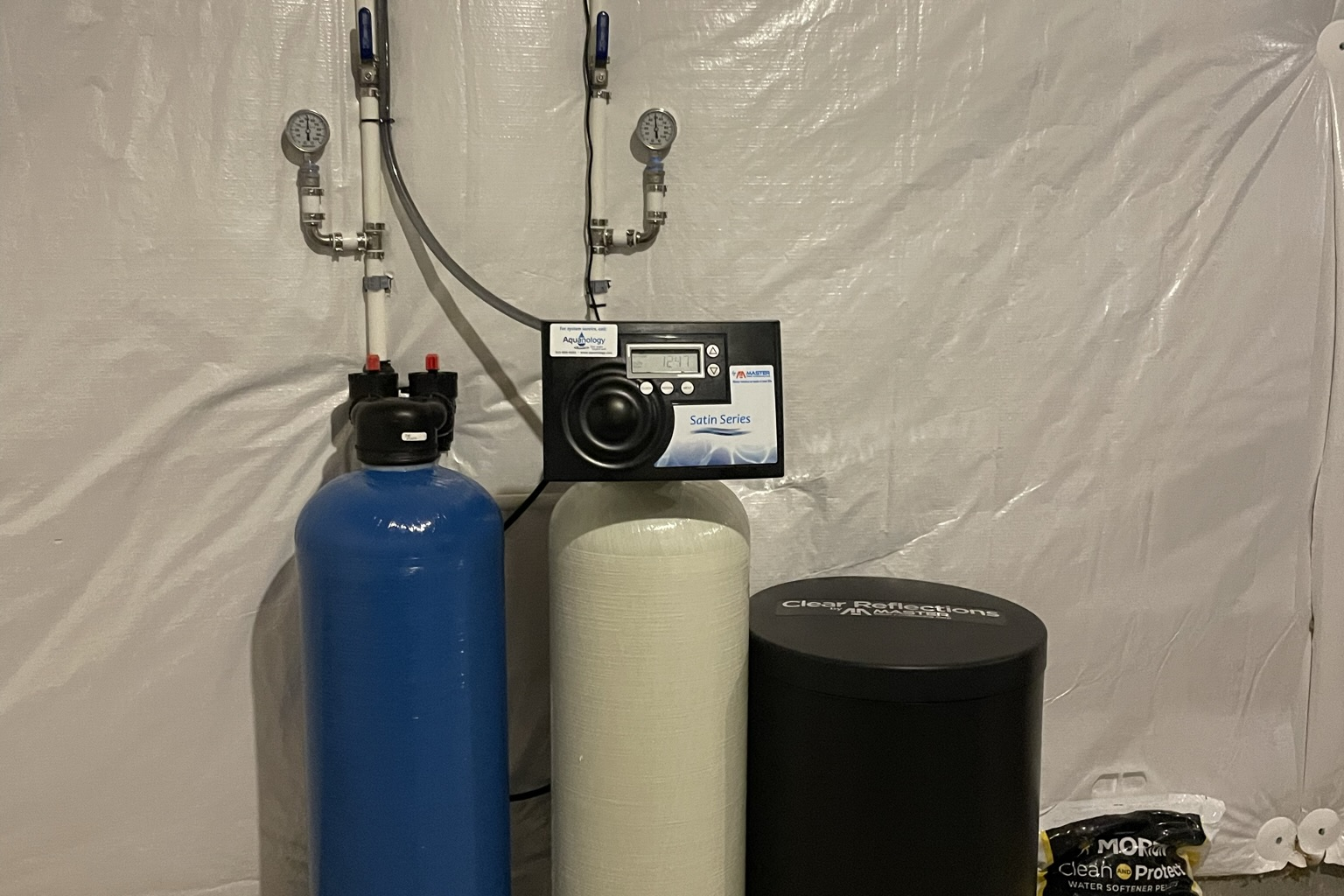
That’s where water softeners come into play. These systems are designed to remove hardness minerals before water enters the home’s plumbing system.
The process usually involves ion exchange, where calcium and magnesium are replaced with sodium or potassium ions. This simple chemical swap dramatically changes how water behaves.
Suddenly, soap lathers easily. Dishes rinse clean. Laundry feels softer. Even hair becomes smoother after washing.
For many homeowners, the change feels surprisingly immediate — like switching to a higher-quality detergent or upgrading to better appliances.
Everyday Improvements You Might Not Expect
Once hardness minerals are reduced, daily routines become noticeably easier.
For example, cleaning requires less effort because soap and detergents work more effectively. Surfaces stay cleaner for longer, without the chalky residue that hard water often leaves behind.
Household appliances also benefit. Water heaters operate more efficiently without scale buildup, which can reduce energy consumption over time.
This ability to reduce hardness minerals doesn’t just improve comfort — it protects long-term investments in plumbing and equipment.
It’s one of those rare upgrades that offers both immediate and long-lasting advantages.
Taste Matters More Than We Realize
Beyond hardness, another common concern is water taste.
Municipal water supplies often use chlorine to disinfect water during treatment. While this process ensures safety, it can leave behind a noticeable chemical flavor and odor.
Many homeowners don’t consciously notice this until they experience filtered water — and then the difference becomes impossible to ignore.
Filtration systems designed to remove chlorine taste restore water’s natural flavor. It becomes crisp, clean, and neutral — exactly how drinking water should feel.
This change often leads to healthier habits, as people naturally drink more water when it tastes better.
The Ripple Effect on Daily Living
Improved water quality doesn’t just affect drinking — it influences almost every household activity.
Cooking becomes more enjoyable because ingredients retain their natural flavors. Tea and coffee taste richer and smoother.
Showers feel more refreshing because softened water interacts more gently with skin and hair. Laundry comes out brighter and softer.
Even small details — like reduced spotting on glassware — contribute to a more comfortable and efficient daily routine.
These benefits may seem minor individually, but together they create a noticeable improvement in overall quality of life.
Environmental and Financial Benefits
Better water quality can also support sustainability efforts.
When water tastes better, households rely less on bottled water, reducing plastic waste. Softer water allows soaps and detergents to work more effectively, which means less product is needed for cleaning.
Over time, these changes can lead to meaningful cost savings, especially when combined with extended appliance lifespans.
It’s a practical investment that pays off both financially and environmentally.
Why Clean Water Feels Like a Lifestyle Upgrade
What makes water improvements so interesting is how quietly they transform daily living.
Unlike visible renovations, you don’t see a dramatic before-and-after difference. Instead, the benefits appear gradually — in smoother showers, easier cleaning, and better-tasting beverages.
Eventually, homeowners reach a point where they can’t imagine going back to untreated water. The change becomes part of their everyday comfort, something they rarely think about but deeply appreciate.
A Foundation for Everyday Comfort
At its core, improving water quality is about enhancing one of life’s most essential resources.
Water touches nearly every part of daily living. When its quality improves, routines become easier, homes run more efficiently, and personal comfort increases.
It’s not about luxury. It’s about practicality — making a fundamental necessity work better in every possible way.
And perhaps that’s the most remarkable part: when water is truly optimized, it fades into the background once again. But this time, it supports your life more smoothly, more efficiently, and more comfortably than ever before.