A Better Glass of Water: How Multi-Stage Reverse Osmosis Can Upgrade Your Kitchen
 Admin
Published
DeskHome Services
Water should be one of the simplest things to enjoy at home. Yet when your tap water has a strange aftertaste or an unpleasant smell, even filling a glass becomes less appealing. You might find yourself buying bottled water more frequently or relying on a filter pitcher that always seems to need refilling.
For households seeking a more convenient alternative, drinking water filtration with RO can provide targeted treatment that addresses various dissolved substances and unwanted water characteristics.
Reverse osmosis isn’t particularly new, but its practical applications make it an appealing option for modern households. Before investing in a system, though, it’s worth understanding what happens behind the scenes and how the technology might fit into your kitchen routine.
Why Water Sometimes Needs More Than a Basic Filter
A standard water filter can be useful, particularly when your main concern is an unpleasant chlorine taste. But water quality isn’t always that straightforward.
Some impurities are suspended particles, while others are dissolved substances that ordinary sediment filters cannot capture. Different treatment methods are needed to address these concerns.
That’s where membrane filtration becomes particularly useful.
Reverse osmosis uses pressure to move water through a semipermeable membrane, separating it from many dissolved substances. These rejected substances leave the system through a separate discharge stream.
Depending on verified equipment performance, the process can reduce certain metals, nitrates, dissolved salts, and other targeted contaminants.
Of course, understanding what’s actually present in your water should come before choosing any treatment equipment.
How Multiple Filtration Stages Work Together
There’s something interesting about the way different filtration technologies complement one another. Rather than expecting a single component to handle everything, modern equipment often divides treatment into several steps.
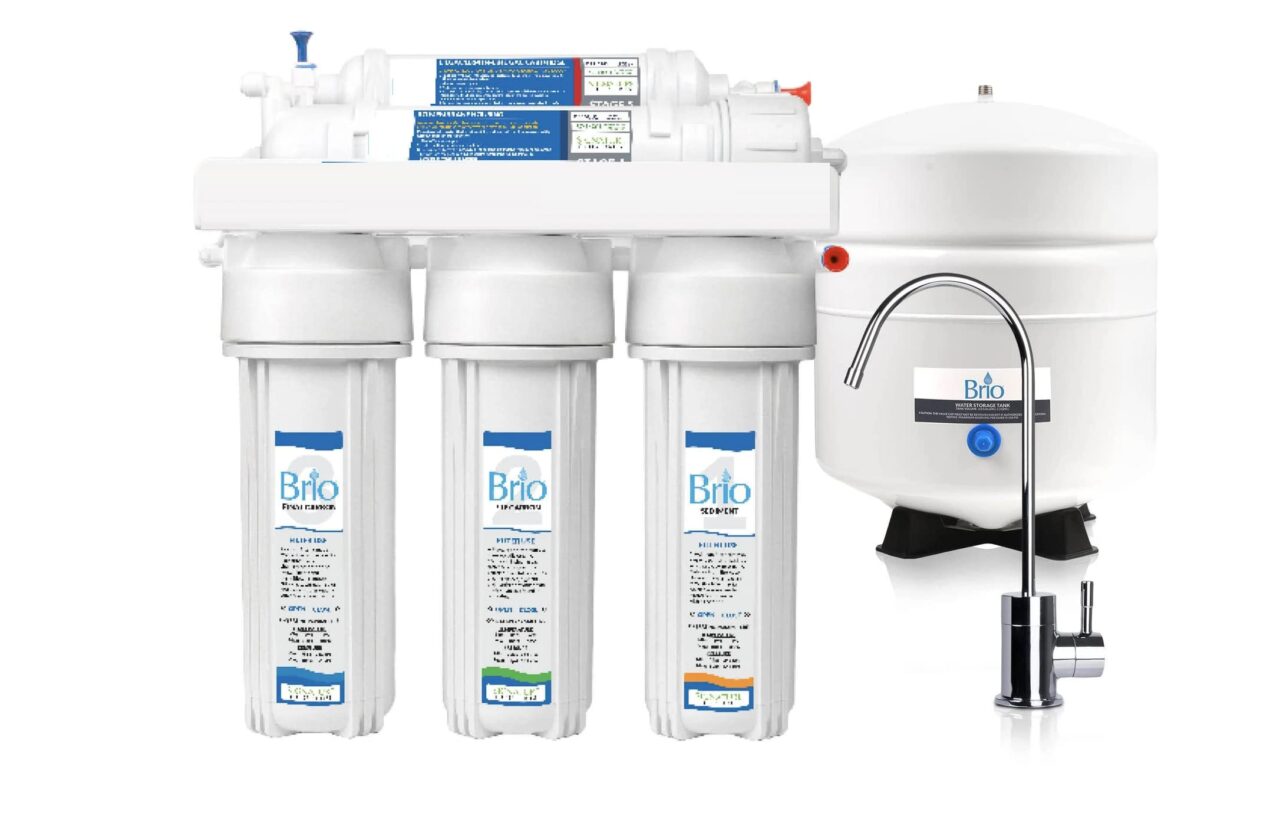
Well-designed multi-stage reverse osmosis systems typically combine preliminary sediment filtration, activated carbon treatment, membrane separation, and final polishing filtration.
The sediment filter captures physical particles that could otherwise accumulate within the equipment. Carbon filtration helps reduce certain substances that may affect membrane performance or water taste.
The membrane handles much of the dissolved contaminant reduction, while a final carbon filter may help refine the finished water’s flavor.
Some equipment also includes remineralization cartridges for homeowners who prefer a particular mineral balance.
Still, don’t assume that having more treatment stages automatically guarantees better performance. Every stage should serve a meaningful purpose.
Finding a Filtration System That Fits Your Kitchen
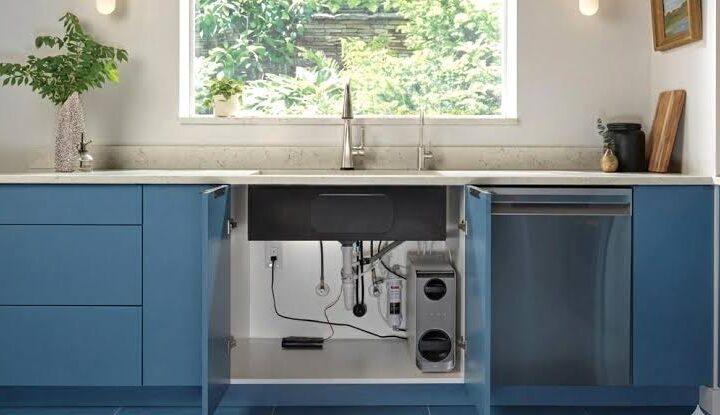
Not everyone has a spacious kitchen with plenty of unused cabinet space. In many homes, the area beneath the sink is already occupied by cleaning supplies, plumbing connections, and occasionally a collection of forgotten household items.
When comparing reverse osmosis filters for home use, consider available installation space, daily drinking water consumption, incoming water pressure, and ongoing maintenance requirements.
Traditional systems generally include a storage tank that holds treated water until it’s needed. Tankless designs may offer a more compact arrangement, although production rates vary between models.
Countertop units can also be worth considering when permanent plumbing modifications aren’t practical.
The ideal system should provide enough treated water for your family without making your kitchen feel unnecessarily crowded.
Discovering Better Flavors in Everyday Cooking
Water rarely receives much attention when people discuss their favorite recipes. Yet it’s an important ingredient in everything from homemade soup to freshly brewed coffee.
If your tap water has an objectionable flavor, those characteristics may sometimes influence the finished food or beverage.
Appropriate filtration can provide a more neutral-tasting starting point, allowing other ingredients to stand out.
Interestingly, coffee enthusiasts often prefer water containing a suitable balance of minerals rather than water with extremely low mineral content.
Personal preferences matter here. What tastes refreshing to one person might seem slightly flat to another.
Having the flexibility to choose treatment equipment that suits your preferences can make everyday kitchen experiences more enjoyable.
Breaking the Habit of Buying Bottled Water
Carrying heavy packages of bottled water home from the grocery store isn’t particularly enjoyable. Finding somewhere to store them can be equally frustrating.
Having appropriately treated water available at your kitchen faucet may help reduce dependence on packaged alternatives.
There’s also the convenience of filling reusable bottles before heading to work, school, or the gym.
However, reverse osmosis equipment has its own resource requirements. It produces reject water, and certain models consume electricity. Replacement cartridges also contribute to ongoing expenses.
Comparing water efficiency and maintenance costs alongside your current bottled water spending can help you determine whether the investment makes financial sense.
Keeping Your Filtration Equipment in Good Condition
Once installed, reverse osmosis equipment generally operates quietly behind the scenes. It’s easy to forget about something you rarely see.
Nevertheless, regular maintenance is essential for dependable treatment.
Preliminary filters require periodic replacement, membranes eventually lose effectiveness, and certain components may need sanitization.
Follow manufacturer servicing recommendations and investigate unexpected changes in water flow or taste.
Periodic testing is especially important when equipment is intended to reduce potentially harmful contaminants.
Remember that pleasant-tasting water alone doesn’t establish drinking water safety. Reliable testing and appropriate maintenance remain important throughout the system’s lifespan.
Making Better Water Part of Your Everyday Life
Improving household drinking water doesn’t need to involve complicated equipment or endless research.
Start with appropriate water testing, consider your family’s consumption habits, and select filtration technology that addresses your genuine concerns.
A thoughtfully chosen reverse osmosis system can make drinking water more accessible while complementing your kitchen routine.
And sometimes, the best household improvements are remarkably simple. A refreshing glass of water after work, a delicious homemade meal, or a peaceful morning coffee without an unpleasant aftertaste.
These ordinary moments deserve good water, too.