Why Soft Water Might Be the Game-Changer Your Home’s Been Missing
 Admin
Published
DeskHome Services
Admin
Published
DeskHome Services
Let’s be honest—some home upgrades get all the attention. Fancy smart thermostats, shiny new appliances, walk-in showers with enough buttons to launch a spaceship. But here’s a quiet little workhorse that often gets overlooked: your water. More specifically, how soft or hard it is. And if you’ve ever dealt with spotty dishes, itchy skin, or crusty showerheads, you know what I’m talking about.
Hard water can be a silent saboteur. It creeps into your daily life, slowly leaving behind tiny mineral deposits that cause all kinds of annoying (and expensive) problems. But there’s good news—installing a water softener can seriously turn things around.
The Hard Truth About Hard Water
If your tap water leaves behind white streaks, makes your skin feel dry no matter how much you moisturize, or seems to eat through your appliances like a hungry gremlin, chances are you’re dealing with hard water.
This type of water is rich in calcium and magnesium, and while those sound like nutrients your body might love, your pipes and appliances definitely don’t. Over time, these minerals can prevent scale buildup—wait, let me rephrase that. A lack of treatment means they cause scale buildup, which can damage everything from your kettle to your boiler.
Soft water, on the other hand, has had those minerals filtered out or neutralized, making it a much gentler companion to your home and skin.
A Difference You Can Feel—Literally
I used to think “soft water” was one of those marketing buzzwords that didn’t actually mean anything. But after switching to a softener, I swear I noticed a difference in my morning shower within days. The water felt silkier, the soap lathered better, and my hair wasn’t a tangled mess afterward.
Turns out, soft water helps create softer skin and hair by reducing the mineral residue that can linger after a wash. It doesn’t strip your skin’s natural oils or cling to your strands, which means less frizz and more shine—without switching products.
And hey, if you’re someone who already spends money on high-end haircare or skincare, soft water is like upgrading your bathroom routine without adding anything to your shelf.
Why Your Dishwasher Hates Hard Water
Ever pulled your glassware out of the dishwasher only to find them looking like they were dipped in fog? That’s hard water again. Those minerals can cling to your dishes even after a cycle, leaving that telltale cloudy residue.
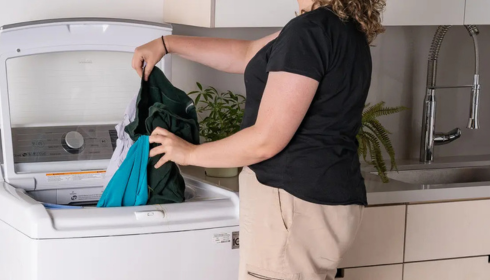
The same goes for your clothes. Whites start looking dull, colors fade faster, and your towels lose that fresh fluffiness.
This is where soft water steps in like a superhero in a bathrobe. One of its underrated perks? Cleaner dishes and laundry—not to mention fewer detergent stains, better rinse cycles, and even longer-lasting fabrics.
Cost Savings in the Long Run
Let’s talk money for a minute, because water softeners aren’t free—and it’s fair to ask if they’re worth the investment. Spoiler: they usually are.
Hard water can damage appliances like dishwashers, washing machines, and water heaters. That means more repairs, more replacements, and more headaches. Plus, it takes more energy to heat hard water, so your utility bills might be creeping up without you realizing it.
Soft water prevents all of that. It helps your appliances run more efficiently, last longer, and stay cleaner. You also use less soap, shampoo, and detergent because everything lathers more effectively. So while the upfront cost of a softener might sting a little, it can easily pay for itself over time.
Not All Softeners Are the Same
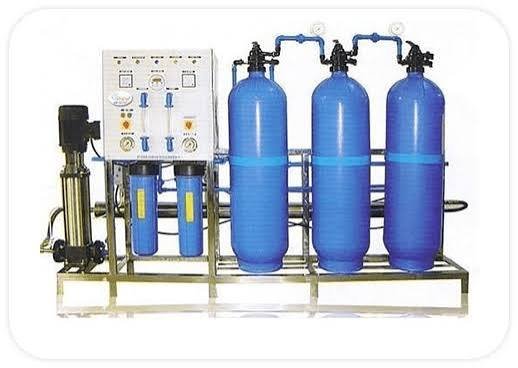
Before you rush to buy the first softener you see online, it’s worth understanding the different types. Some use salt to exchange minerals, while others use potassium. There are salt-free options, too, which don’t technically soften water but condition it to reduce scaling.
Your choice will depend on your water hardness level, home size, and even personal preferences—some folks don’t love the idea of sodium in their water. A local water test can tell you exactly what you’re working with.
And speaking of testing: many companies offer a free water test, so there’s really no harm in checking out what’s actually flowing through your pipes.
It’s a Lifestyle Upgrade, Not Just a Plumbing Fix
Soft water isn’t just about maintenance. It’s about comfort. It’s about turning on your tap and knowing what’s coming out isn’t going to leave a trail of damage behind.
It’s about getting out of the shower and actually feeling clean. It’s opening your dishwasher and seeing clear glasses. It’s wearing clothes that stay soft and vibrant longer than expected.
Sure, it might not be the flashiest home improvement. But it’s one of those invisible luxuries that makes everything else work better.
Final Thought
At the end of the day, hard water won’t ruin your life. But it will make a bunch of little things more annoying—and over time, those annoyances pile up. From flaky skin to dead appliances, hard water has a way of quietly sabotaging your home’s comfort and efficiency.
Installing a water softener is like flipping a switch. It makes everyday things easier, cleaner, and smoother. And once you get used to it? There’s no going back.