Why Hard Water Creates More Household Frustrations Than Most People Realize
 Admin
Published
DeskHome Services
Admin
Published
DeskHome Services
Most of us don’t think about water until it starts causing trouble. You notice cloudy spots on freshly washed glasses, your shower door never seems completely clean, or your favorite coffee doesn’t taste quite as rich as it once did. At first, these feel like ordinary household annoyances. Over time, though, they begin adding up.
The surprising part is that many of these everyday frustrations share the same source. They aren’t caused by poor cleaning habits or aging appliances—they often come from the minerals naturally present in your home’s water.
Hard water affects millions of households, yet it’s one of the least understood home maintenance issues. Because it develops gradually, families often adapt to the symptoms without realizing how much easier everyday life could be with better water.
Water Carries More Than Just H₂O
As rainwater travels through soil and underground rock formations, it naturally dissolves minerals like calcium and magnesium. These minerals remain dissolved as the water enters municipal systems or private wells before eventually arriving at your home.
There’s nothing unusual about this process. In fact, it’s completely natural.
The difference lies in how much mineral content your local water contains. Some regions experience only mild hardness, while others receive water rich enough to influence nearly every room in the house.
That’s why homeowners in different areas have such different experiences with their tap water.
Small Clues Often Point to Bigger Hard Water Problems
The earliest signs of hard water problems rarely seem serious.
You may notice shampoo doesn’t lather as easily as before. Towels begin feeling rough after washing. Faucets develop white spots, and dishes lose their sparkle even after a full dishwasher cycle.
Many people assume these are simply part of normal home ownership.
In reality, they’re often your home’s way of showing that excess minerals are affecting everything from plumbing fixtures to cleaning performance.
Recognizing those clues early makes it easier to address the cause before unnecessary wear begins affecting expensive appliances.
The Hidden Cost of Scale
Minerals don’t simply disappear after water flows through your house.
Each time water evaporates, tiny amounts of calcium and magnesium remain behind. Over months and years, this creates mineral buildup inside pipes, water heaters, coffee makers, dishwashers, showerheads, and washing machines.
The accumulation happens so slowly that it’s almost invisible until performance begins changing.
Water heaters may require more energy because heating elements become insulated by scale. Showerheads lose water pressure as small openings narrow, while dishwashers gradually become less efficient.
What looks like ordinary aging is often accelerated by mineral deposits quietly working behind the scenes.
Cleaning Becomes More Work Than It Should
Anyone living with hard water knows how difficult certain cleaning tasks can become.
Glass shower doors collect stubborn white residue. Bathroom fixtures require constant polishing, and sinks seem impossible to keep spotless for long.
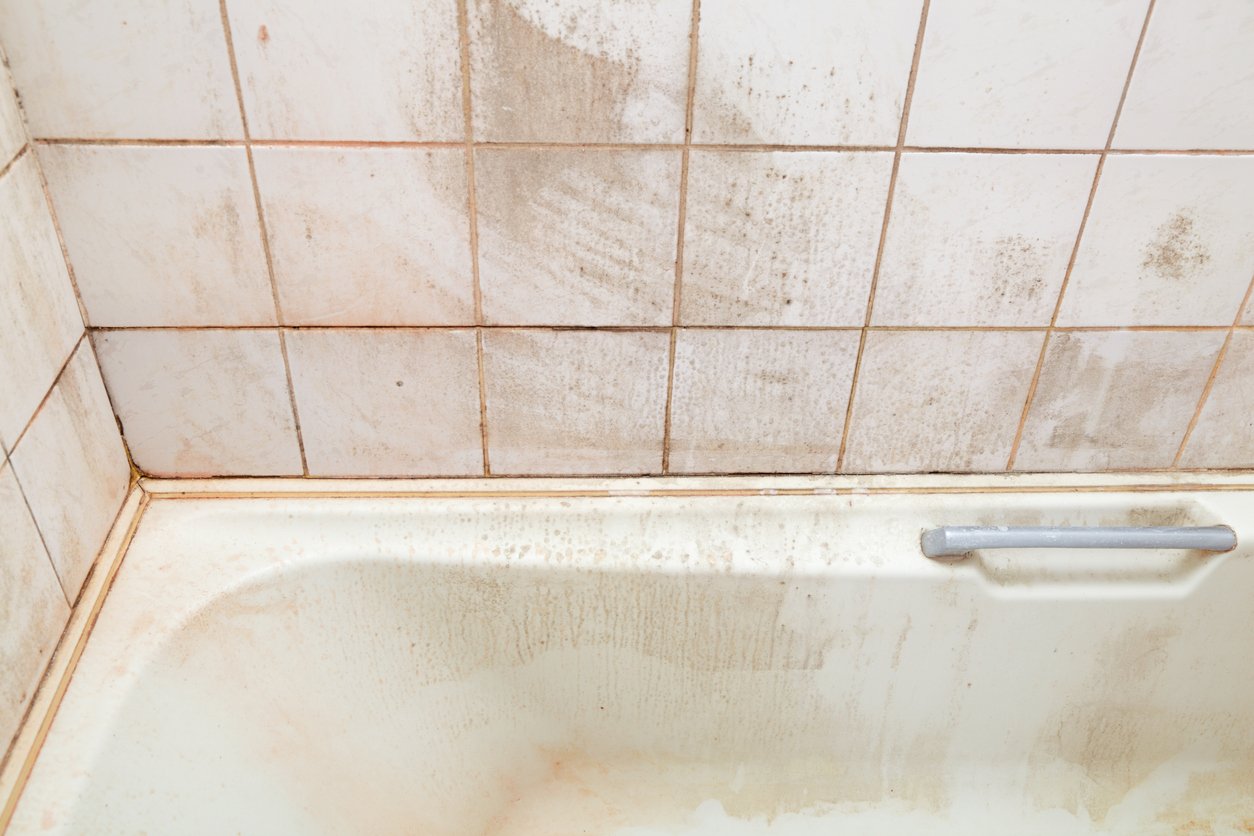
Then there’s soap scum, which forms when soap reacts with dissolved minerals instead of rinsing away completely. Rather than producing a rich lather, soap leaves behind a dull film on tubs, tile, shower walls, and even skin.
That residue often makes homeowners feel like they’re cleaning the same surfaces over and over again without lasting results.
It’s frustrating—but fortunately, it’s also manageable.
Your Appliances Feel the Difference Too
Hard water doesn’t limit itself to visible surfaces.
Inside your home, appliances work with water every single day. Washing machines, dishwashers, water heaters, refrigerators with ice makers, and coffee machines all depend on consistent water quality to operate efficiently.
When minerals accumulate inside these systems, moving parts experience additional stress, heating elements become coated, and efficiency gradually declines.
That doesn’t necessarily cause immediate failures, but it can shorten equipment lifespan and increase long-term operating costs.
Many homeowners only connect the dots after replacing multiple appliances sooner than expected.
Better Water Improves Everyday Comfort
One of the nicest things about improving hard water isn’t found on a laboratory report—it’s found in everyday routines.
Morning showers feel cleaner because soap rinses away more completely. Hair often feels softer, while skin is less likely to feel dry after bathing.
Laundry comes out brighter and softer. Coffee and tea may taste more balanced, and glasses remain clearer after washing.
None of these improvements seem life-changing on their own, yet together they make daily life noticeably more pleasant.
Sometimes the best home upgrades are the ones you stop thinking about because everything simply works better.
Why Testing Makes More Sense Than Guessing
If you suspect hard water, the smartest place to begin isn’t shopping for equipment.
It’s testing.
A professional water analysis identifies hardness levels along with other important characteristics such as pH, iron content, chlorine residuals, and dissolved minerals. That information helps determine whether hard water truly is the issue or whether another condition deserves attention.
Choosing treatment based on real data almost always leads to better long-term results than relying on assumptions.
Knowledge saves money, time, and unnecessary frustration.
Small Changes Protect Your Home for Years
Addressing hard water isn’t simply about improving appearance.
It helps protect plumbing systems, supports appliance efficiency, reduces cleaning time, and minimizes ongoing maintenance throughout the home. Those benefits quietly accumulate month after month, often paying for themselves through reduced wear and fewer household headaches.
Water touches nearly every aspect of daily living, so even modest improvements create lasting value.
A Better Home Often Starts with Better Water
Water is one of the few things every family uses dozens of times each day without giving it much thought. Yet when mineral-rich water begins affecting showers, laundry, appliances, and cleaning routines, its influence becomes impossible to ignore.
Understanding what’s flowing through your home’s pipes is one of the simplest ways to improve comfort, reduce maintenance, and protect the investment you’ve already made in your property.
The next time you notice cloudy dishes, stubborn bathroom stains, or soap that never seems to rinse away completely, don’t assume it’s just part of life. Your water may be telling you exactly what it needs—and listening now can save you countless frustrations in the years ahead.