What Changes When Your Water Finally Starts Working With You
 Admin
Published
DeskHome Services
Admin
Published
DeskHome Services
There’s a moment—usually subtle—when you realize something in your home just feels… off. Maybe it’s your skin acting up despite using the same products for years. Or the way your glassware looks cloudy straight out of the dishwasher. You don’t immediately blame the water. Most people don’t.
But over time, the signs start to line up. And once you notice them, it’s hard to ignore what’s really going on behind the scenes.
When Everyday Water Stops Feeling “Normal”
Water is supposed to be simple. Turn the tap, and that’s it. No second guessing. No weird afterthoughts. But hard water has a way of complicating things quietly.
You might notice it in your bathroom first. Soap that doesn’t quite lather, a filmy residue left behind on your hands, or those stubborn spots that cling to your shower glass no matter how much you scrub. It’s not dramatic, but it’s persistent.
And that persistence is what slowly pushes people to look for answers.
Understanding What’s Actually Happening
Hard water carries dissolved minerals—mainly calcium and magnesium. They’re not harmful in small amounts, but they don’t exactly play nice with soap, surfaces, or appliances either.
Instead of rinsing clean, soap reacts with these minerals and leaves behind residue. That’s why things feel dull or sticky. Over time, those minerals settle into pipes and fixtures, creating buildup that doesn’t go away on its own.
It’s one of those issues that feels minor at first, but the longer it sticks around, the more noticeable it becomes.
Why People Start Talking About Water Softeners
At some point, curiosity turns into action. You start looking into solutions, and that’s when you come across systems designed specifically for this problem.
The conversation often begins with the broader idea of water softener benefits—and yes, there are quite a few. But what matters most is how those benefits show up in real life, not just on a product brochure.
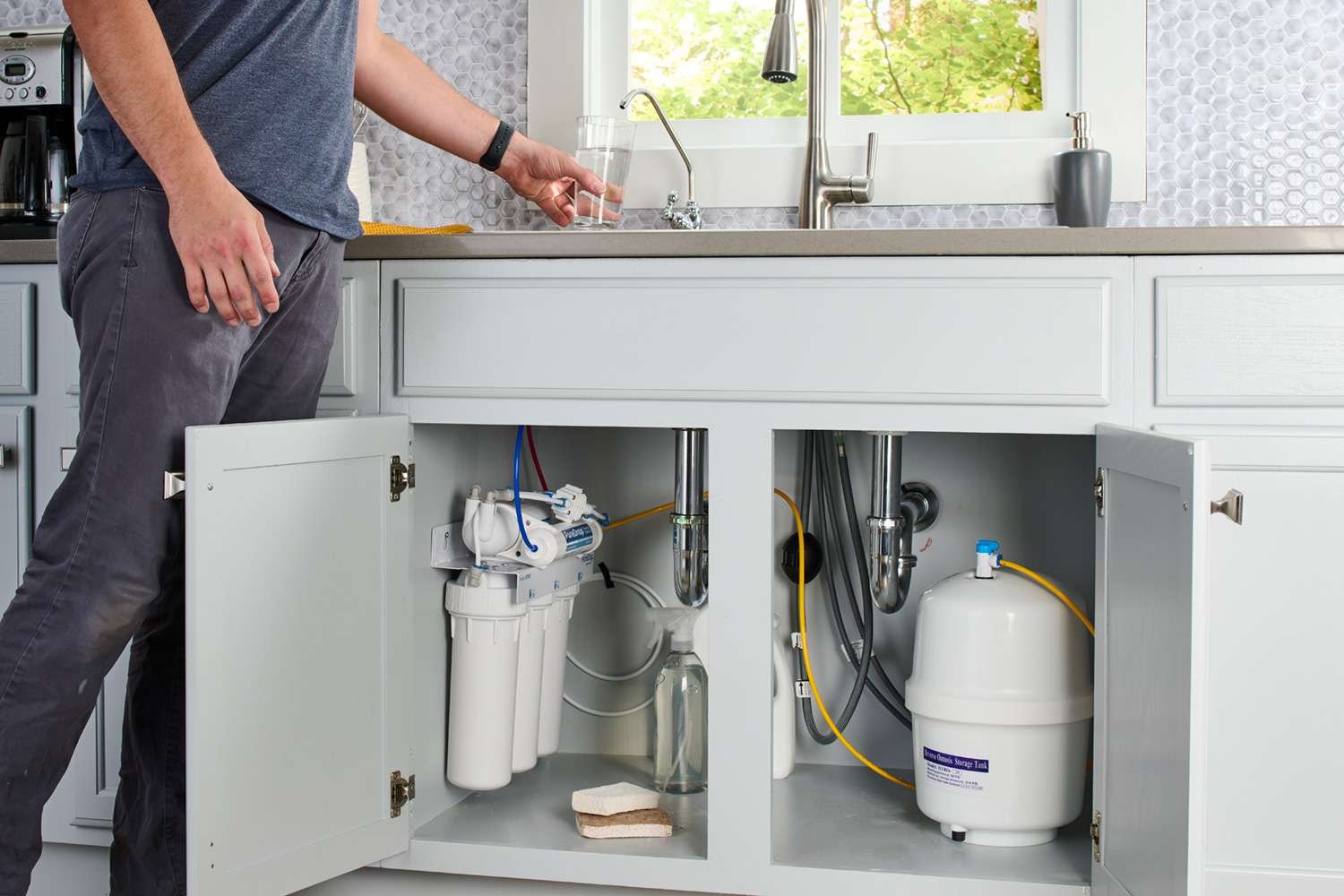
A water softener works by removing the minerals that cause hardness. That’s it. Simple in concept, but surprisingly effective in practice. Once those minerals are reduced, everything else starts to fall into place.
The Subtle Comfort of Softer Water
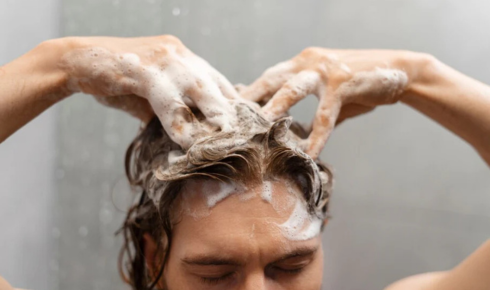
One of the first things people notice isn’t something they see—it’s something they feel. Showers become more enjoyable. Soap rinses off properly. There’s no lingering residue on your skin.
Over time, this leads to something people often describe as softer skin and hair. It’s not a dramatic overnight change, but a gradual improvement. Less dryness. Less irritation. Hair that feels easier to manage.
And the funny part? Once you get used to it, you start wondering how you ever put up with the alternative.
Looking Beyond Personal Comfort
While comfort is a big part of the equation, there’s another side to this that often gets overlooked—your home itself.
Hard water doesn’t just affect how things feel. It affects how things function. Appliances like washing machines, dishwashers, and water heaters all rely on water flowing efficiently. When mineral buildup starts to interfere, performance drops.
That’s where appliance protection becomes an important consideration. By reducing scale buildup, softer water helps these systems run more smoothly and last longer.
It’s not the kind of benefit you notice immediately, but over time, it can save a significant amount of money and frustration.
The Small Details That Add Up
Improved water doesn’t just fix one thing—it touches multiple parts of your daily routine.
Laundry comes out cleaner and feels softer. Dishes look clearer, without that cloudy film. Even cleaning your home becomes a bit easier, since there’s less residue to deal with.
These changes might seem small on their own, but together, they create a noticeable shift in how your home feels. It’s less about big transformations and more about reducing those little annoyances that tend to pile up.
Finding the Right Balance
It’s worth saying—installing a water softener isn’t about chasing perfection. It’s about balance. You’re not trying to eliminate every mineral or achieve some ideal standard. You’re just trying to make your water work better for your needs.
And that balance looks different for everyone. Some households deal with extremely hard water, while others have milder issues. The key is understanding what you’re working with before making any decisions.
Because once you know the problem, the solution becomes much clearer.
Why People Often Wait Too Long
For many homeowners, water quality sits low on the priority list. It’s not urgent. It doesn’t break suddenly. It just… lingers.
But that’s also why it gets overlooked. Those small inconveniences—dry skin, cloudy dishes, inefficient appliances—become part of the routine. You adapt to them without realizing it.
Until one day, you don’t want to anymore.
A More Comfortable Way to Live With Water
When you finally address the issue, the change isn’t loud or dramatic. It’s quiet. Consistent. Almost unremarkable in the best way.
Water starts behaving the way you expect it to. It feels cleaner. Works better. Causes fewer problems. And gradually, you stop thinking about it altogether.
Which, in a way, is the goal.
Final Thoughts: It’s About Everyday Ease
At the end of the day, improving your water isn’t about luxury or unnecessary upgrades. It’s about making daily life a little easier.
Better showers. Cleaner dishes. Longer-lasting appliances. Small things, sure—but meaningful ones.
And once those improvements settle into your routine, they don’t feel like upgrades anymore. They just feel normal.
The way things probably should’ve been all along.