

Let’s face it — most of us don’t think about the water flowing from our taps unless something’s wrong. A weird taste. Cloudiness. Smell. Stains on your sink. It’s easy to forget that water, the thing we use for everything from morning coffee to evening showers, is part of a massive, complicated system. And when that system isn’t handled properly? Well, it can affect more than just your taste buds — it can impact your health, your plumbing, and even your peace of mind.
That’s where trust comes in. And no, not the blind kind. The kind that’s backed by real standards, real ethics, and real training.
Standards Aren’t Just Bureaucracy — They’re Your Shield
Think of any industry that affects your health — food, medicine, even auto safety. We’d never accept a world where there were no rules or certifications. The same should go for water treatment. That’s why the Water Quality Association exists. It isn’t just a fancy name stamped on a pamphlet — it’s the watchdog for water professionals, the one making sure there are guidelines, protocols, and systems in place so you’re not left guessing.
From how water should be tested to what qualifies as a trustworthy system, the association provides both technical backing and public reassurance. When someone says they follow WQA standards, they’re telling you they don’t cut corners — they measure twice, install once, and stand by the science.
And in a world full of pop-up water filter sellers and online “experts,” that kind of consistency matters.
Ethics Still Matter — Even in Business
We’re all a bit jaded these days. Promises are cheap. Sales pitches louder than ever. But ethics — the invisible line between what’s right and what’s easy — still matters, especially when it comes to something as essential as water.
The WQA’s industry code of ethics isn’t just a dusty PDF buried on a website. It’s a living, breathing set of principles that serious professionals actually follow. Things like transparency in pricing, accurate water testing, clear communication, and honest advertising.
When a company says they’re guided by that code, they’re committing to more than just closing a sale. They’re committing to service that respects your time, your budget, and your trust. And in an industry where misinformation can easily muddy the waters (pun intended), that ethical backbone is everything.
Not All Installers Are Created Equal
Let’s say you’ve decided to upgrade your home’s water system. You’ve done the research, maybe even had a free water test. Now, it’s time to install. Seems straightforward, right?
Well, not always.
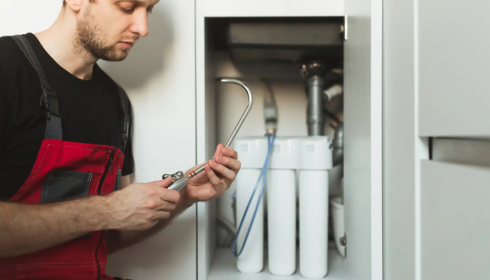
The truth is, poor installation can undo even the best equipment. It’s like putting racing tires on a car but forgetting to tighten the bolts. That’s why working with certified installers is such a game-changer.
Certification means more than passing a one-time test. It reflects hands-on experience, up-to-date training, and a commitment to ongoing education. Certified pros don’t just know how to install — they know how to assess, adjust, and future-proof your system for your home’s unique needs. They take pride in doing it right the first time.
And when something does go wrong? You’ll have someone who actually knows your system and how to fix it — not just a random tech reading off a manual.
Why This All Matters More Than Ever
Water quality is under more scrutiny than ever, and for good reason. Between aging infrastructure, chemical runoff, and environmental changes, the stuff coming through our pipes isn’t always what it used to be.
More families are turning to filtration and softening systems, and that’s great — but only if those systems are chosen wisely, installed correctly, and maintained with care.
You wouldn’t trust an unlicensed contractor to wire your home. You shouldn’t trust an untrained water “expert” either. Without the right credentials, equipment gets installed wrong. Promises get broken. And worst of all, you still don’t feel safe drinking your own tap water.
The Smart Consumer’s Checklist
So, if you’re on the hunt for better water at home, here’s what to actually look for:
- Affiliation with trusted organizations like WQA
- Clear adherence to an ethical code (ask them about it!)
- Certified installers who’ve been trained — and keep training
- Transparent testing and recommendations tailored to your water supply
- A service plan that includes maintenance, not just installation
Basically, look for people who treat your water like it’s their own.
Water You Can Actually Feel Good About
At the end of the day, better water isn’t just about taste — though let’s be honest, that’s a huge perk. It’s about confidence. Confidence that your family’s water is safe. Confidence that your investment won’t go down the drain. Confidence that the people who helped you get here actually know what they’re doing — and care enough to keep doing it well.