Is Sediment Taking a Toll on Your Water Heater? What Every Homeowner Should Know
 Admin
Published
DeskHome Services
It usually starts with something small. Your water heater makes an unfamiliar popping sound, the morning shower doesn’t stay warm quite as long, or your energy bills seem slightly higher than usual. Nothing particularly alarming, perhaps, but something feels different.
One possible explanation is mineral and sediment accumulation inside your water heating equipment.
Most homeowners never see what happens inside their water heater. After all, it’s tucked away in a basement, garage, or utility closet, quietly doing its job. The trouble is that when sediment builds up over time, it can interfere with normal heating performance and contribute to unnecessary wear.
Understanding why this happens and what you can do about it may help you avoid expensive repairs and enjoy a more dependable supply of hot water.
Where Does Water Heater Sediment Come From?
The water entering your home isn’t necessarily free from dissolved minerals or suspended particles. Depending on its source, it may contain calcium, magnesium, sand, and other naturally occurring substances.
When water is heated inside a traditional storage tank, certain dissolved minerals can form solid deposits. These deposits, along with incoming sediment, may gradually settle near the bottom.
During the first few months or even years, you might not notice much difference. Eventually, however, accumulated material can begin affecting the equipment’s performance.
Households with mineral-rich water may experience this problem more frequently.
It’s not necessarily a sign that you’ve purchased poor-quality equipment. Even a well-made water heater can develop deposits when water conditions and maintenance practices allow them to accumulate.
How Mineral Deposits Affect Heating Performance
Imagine trying to heat a saucepan with a thick layer of mineral deposits covering its base. Heat transfer becomes less straightforward, and the process may become less efficient.
Something similar can happen inside certain water heating systems.
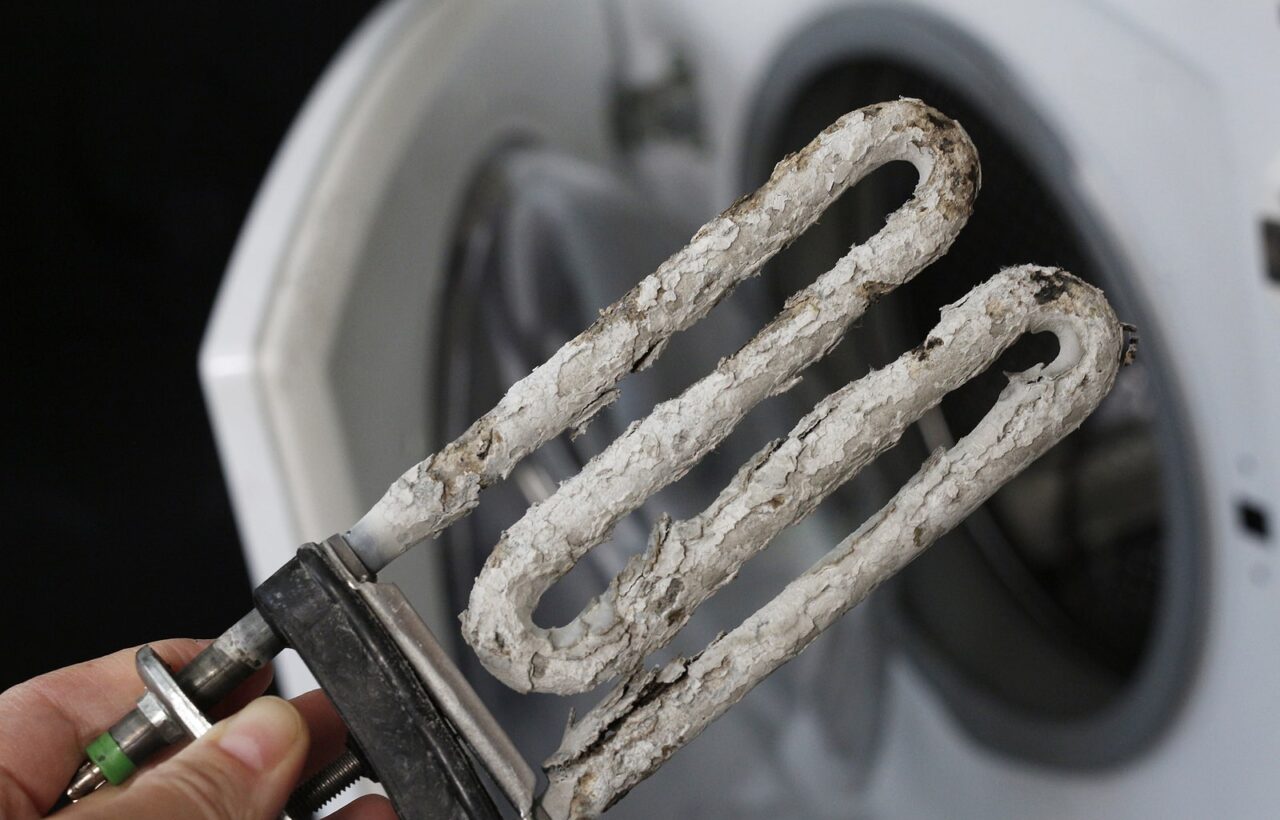
Excessive sediment and mineral scale can interfere with heat transfer, potentially reducing your water heater efficiency and increasing the effort required to provide a comfortable supply of hot water.
Tank deposits can also reduce usable storage capacity, while scale inside tankless equipment may restrict water flow.
You might notice that the heater takes longer to recover after several showers or struggles to meet your household’s usual demand.
Although these symptoms can have other causes, sediment accumulation is certainly worth investigating before assuming the entire unit needs replacing.
Why Hard Water Makes the Problem Worse
If you’ve ever noticed chalky white deposits inside your kettle, you’ve already seen what mineral-rich water can leave behind.
Homes supplied with natural hard water may experience more frequent scale-related plumbing problems because their water contains elevated concentrations of dissolved calcium and magnesium.
When heated, some of these minerals can separate from the water and accumulate on heating surfaces.
This doesn’t just affect water heaters. Coffee makers, dishwashers, showerheads, and other household equipment may develop similar deposits.
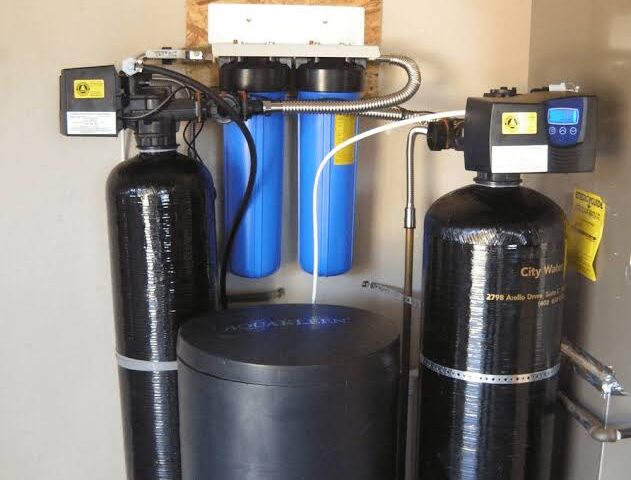
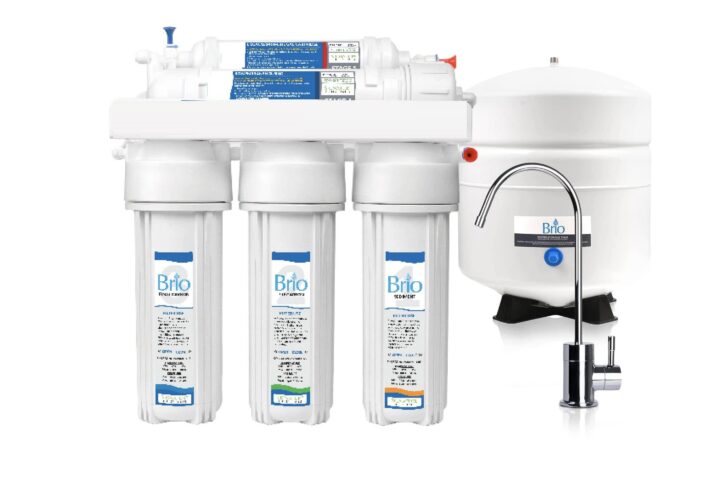
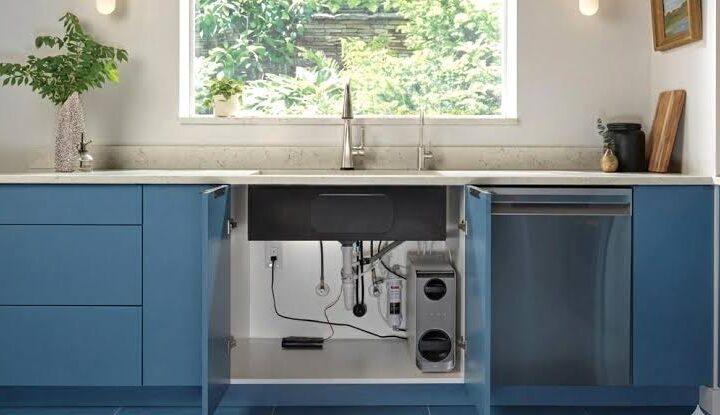
Installing appropriate water softening equipment can help reduce hardness minerals and limit new scale formation.
However, existing deposits may still require professional cleaning or servicing.
Before investing in treatment equipment, arrange a hardness test to determine whether excessive mineral content is genuinely contributing to your maintenance problems.
Warning Signs Your Water Heater Needs Attention
Water heaters often provide subtle clues when something isn’t quite right.
Popping or rumbling sounds from a storage tank may indicate sediment accumulation. Inconsistent temperatures, reduced hot water availability, and unusually long heating times also deserve attention.
Of course, these symptoms aren’t exclusive to mineral deposits. Faulty heating elements, thermostats, and other mechanical issues can produce similar problems.
Visible leakage around the equipment should never be ignored.
Rather than guessing what’s wrong, arrange an inspection with a qualified plumbing technician. Identifying the underlying cause can help determine whether routine servicing, targeted repairs, or equipment replacement would make more sense.
Does Flushing a Water Heater Really Help?
Periodic flushing can help remove loose sediment from certain traditional storage water heaters.
The appropriate servicing frequency depends on manufacturer recommendations, equipment condition, and local water characteristics.
For tankless models, specialized descaling procedures may be necessary to address mineral deposits inside the heat exchanger.
However, homeowners should be cautious about attempting unfamiliar maintenance procedures. Water heating equipment can involve high temperatures, pressurized water, electricity, and gas connections.
Older equipment that hasn’t been serviced for years may require particular care.
Professional maintenance is often the more sensible option when you’re uncertain about the condition of your water heater or the correct servicing procedure.
When Replacement Becomes the Better Investment
Maintenance can help address sediment-related problems, but it cannot reverse every form of equipment deterioration.
An aging water heater with significant corrosion, recurring breakdowns, or leakage from the tank itself may need replacing.
Consider the equipment’s age, repair history, energy consumption, and overall condition before making that decision.
If you’re purchasing a replacement, investigate your household water quality beforehand. Addressing excessive mineral hardness may help reduce similar problems with your new equipment.
It’s worth thinking beyond the immediate purchase and considering how to protect your investment over the coming years.
A Little Maintenance Goes a Long Way
Your water heater probably isn’t the most exciting piece of equipment in your home. Nevertheless, it plays a significant role in your everyday comfort.
Regular servicing, appropriate water treatment, and attention to early warning signs can help keep heating equipment operating more reliably.
Don’t wait until the hot water disappears completely before giving your system some attention.
Sometimes, a simple inspection or scheduled maintenance appointment can prevent a much larger inconvenience.
Because when you’ve had a long, exhausting day, the last thing you want is another household repair to worry about. You just want a warm shower that stays warm. And that’s a perfectly reasonable expectation.