Pure Water, Real Peace: A Human Take on Home Water Systems
 Admin
Published
DeskHome Services
Admin
Published
DeskHome Services
There’s something undeniably comforting about turning on a tap and knowing the water is clean, safe, and just right. But that peace of mind doesn’t always come easily—especially in places where water quality is inconsistent or heavily treated. That’s where home water treatment systems come in—not just fancy gadgets, but actual game-changers for daily life. Whether you’re sipping tea, washing veggies, or giving your dog a bowl of water, the quality matters.
And in 2026, more homeowners are waking up to that fact.
Let’s talk real-life solutions—things like reverse osmosis systems, whole house filters, and water softeners. I’m not going to throw technical jargon at you or pretend this is a sponsored post. Think of this as a laid-back, honest exploration of what these systems really do and why more people are turning to them.
The Rise of Water Awareness
Back in the day, water was just water. You didn’t think about TDS levels, chlorine smell, or mineral scaling. You just drank it and moved on. But now, people are doing more homework. They’re reading labels, filtering info (no pun intended), and making smarter decisions.
A big part of that shift comes down to trust. When tap water tastes like a swimming pool or leaves white residue on everything, it’s only natural to question it. People are no longer satisfied with “safe enough.” They want water that feels clean and fresh, inside and out.
That’s where filtration and purification tech starts to make sense—not as an over-the-top luxury, but as a necessary part of a healthier, cleaner home.
Clean to the Core: The Magic of Reverse Osmosis
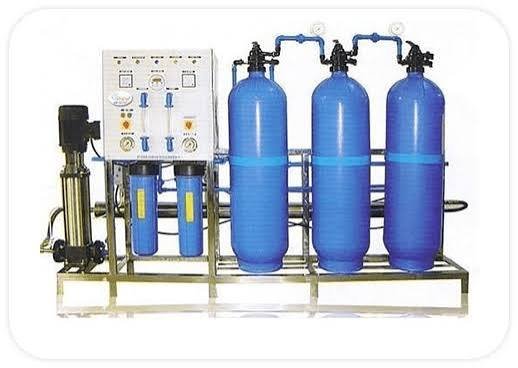
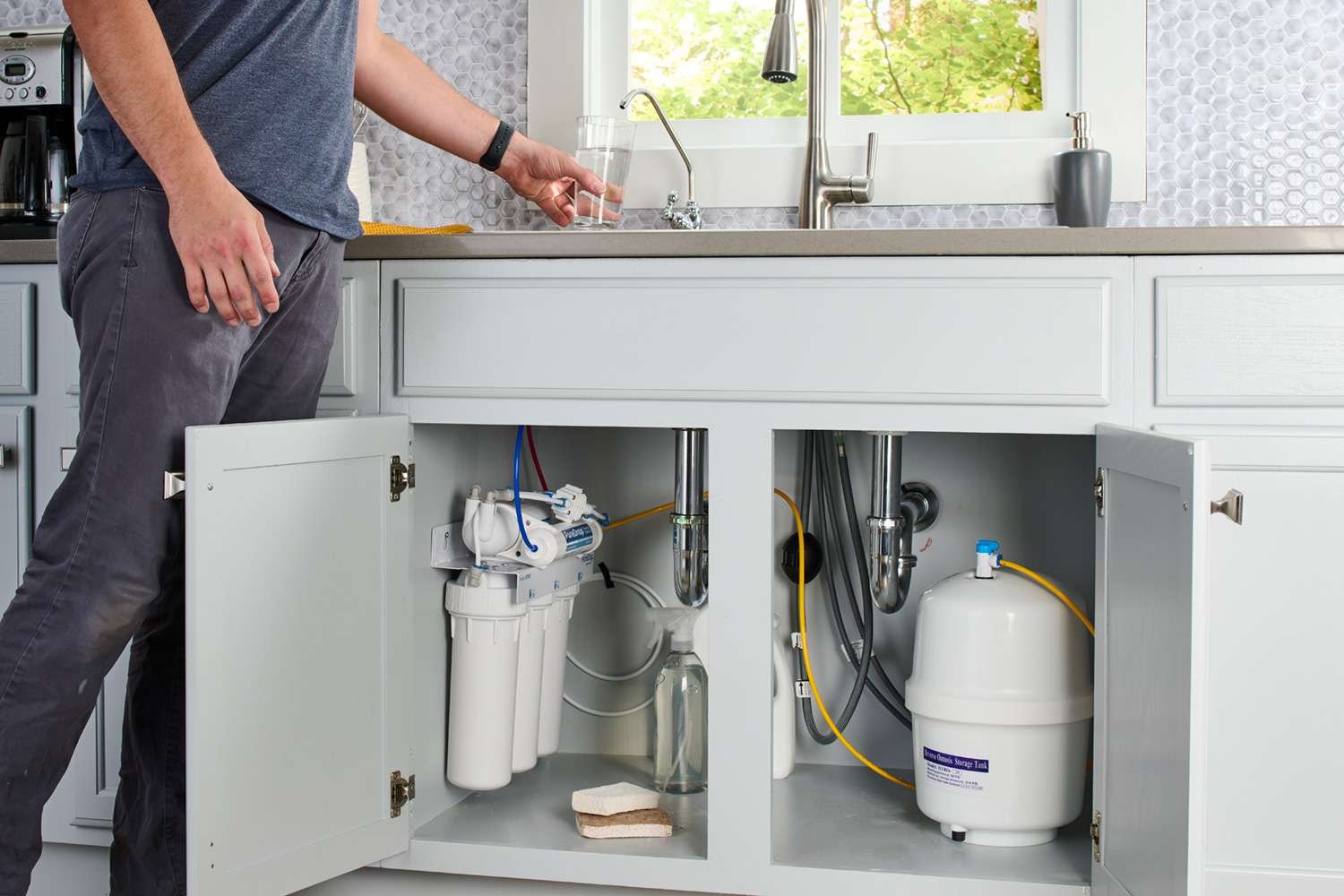
If you’re one of those folks who’s never quite trusted the tap, you’re not alone. There’s something off-putting about cloudy water or a faint metallic tang. Reverse osmosis systems tackle that head-on. These setups use a semipermeable membrane to strip out all the stuff you don’t want—think lead, fluoride, arsenic, and nitrates.
It’s not instant magic, but it’s close. The result? Water that’s crisp, clear, and genuinely refreshing. The kind that makes you want to drink more of it—and not just because you feel like you should.
And it’s not just about taste. People with young kids or health issues often lean toward reverse osmosis for the added safety net. It’s kind of like the difference between washing your veggies and scrubbing them—peace of mind goes a long way.
Whole House Water Filters: Quiet Heroes
If reverse osmosis is the precision specialist in the kitchen, whole house water filters are the unsung heroes of the home. They’re not flashy, and you won’t see them in action, but you’ll feel the difference. Softer hair. Skin that doesn’t dry out after a shower. Clothes that don’t fade after two washes.
These systems usually sit quietly at the point where water enters your home, filtering out sediment, chlorine, and other contaminants across every faucet and fixture. That means no more worrying about whether your bathroom water is “as good” as what comes from the kitchen.
They’re especially useful in areas with hard city water or well systems that bring in a bit too much “nature.” It’s like putting sunglasses on a harsh day—the glare is gone, and everything just feels gentler.
Tackling Hard Water: A Case for Softeners
Hard water isn’t dangerous, but boy, can it be annoying. You see it when your glasses come out of the dishwasher cloudy. You feel it when your soap won’t lather right. Over time, it builds up—literally. Mineral deposits sneak into pipes, shorten appliance lifespans, and clog showerheads.
This is where water softeners come in. They swap out calcium and magnesium ions (the culprits behind scaling) with sodium or potassium ions. The science is simple, but the results are impressive.
Your shower suddenly feels luxurious. You don’t need as much detergent. And your coffee maker? It might just thank you for the break.
Softeners don’t get the same spotlight as other systems, but they’re kind of like that one friend who quietly fixes things behind the scenes—low drama, big impact.
Finding the Right Fit (Without Losing Your Mind)
Let’s be real—choosing a water system can get overwhelming fast. Every manufacturer claims to be the best. Specs and flow rates fly at you like confetti. And then there’s the question of cost. Is it worth it? Should you get a combo system? Do you really need that many filters?
Breathe.
Here’s the trick: don’t think of these systems as one-size-fits-all. Instead, think of them like tools. Some households need a wrench. Others need a toolbox.
Live in an area with extremely hard water? A softener is probably step one. Hate the taste of your tap water? Start with a reverse osmosis unit under the kitchen sink. Want a catch-all that tackles sediment and chlorine across the board? A whole house filter might be your golden ticket.
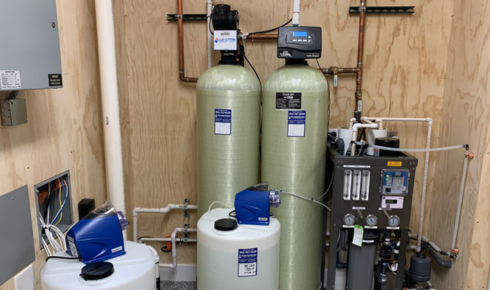
The good news is that these systems can work together. A lot of homes now run a combo of softener + whole house filter + RO tap. It’s not overkill—it’s smart layering. Like wearing a raincoat and carrying an umbrella.
Maintenance: It’s Not That Bad, Promise
If you’re worried that installing a water system means adding another full-time job to your life—don’t be. Most modern units are designed for ease. Filters last months (sometimes a year). Softeners regenerate automatically. RO systems may need a filter change once or twice a year, depending on use.
Yes, there’s some upkeep. But it’s more like brushing your teeth than remodeling your kitchen. Routine, doable, and worth the payoff.
And honestly? Once you start tasting that silky, clean water every day, you want to keep it that way.
Final Thoughts: Water is Personal
At the end of the day, this isn’t just about tech. It’s about trust, comfort, and quality of life. The water you cook with. The water you give to your kids. The water that fills your tub at the end of a long week.
Clean water is personal. And it should be.
Whether you’re going full throttle with a multi-stage system or just starting small with a basic filter, the goal is the same: better water, better living. No pressure. Just progress.