What’s Really in Your Drinking Water? A Closer Look at Filtration
 Admin
Published
DeskHome Services
Admin
Published
DeskHome Services
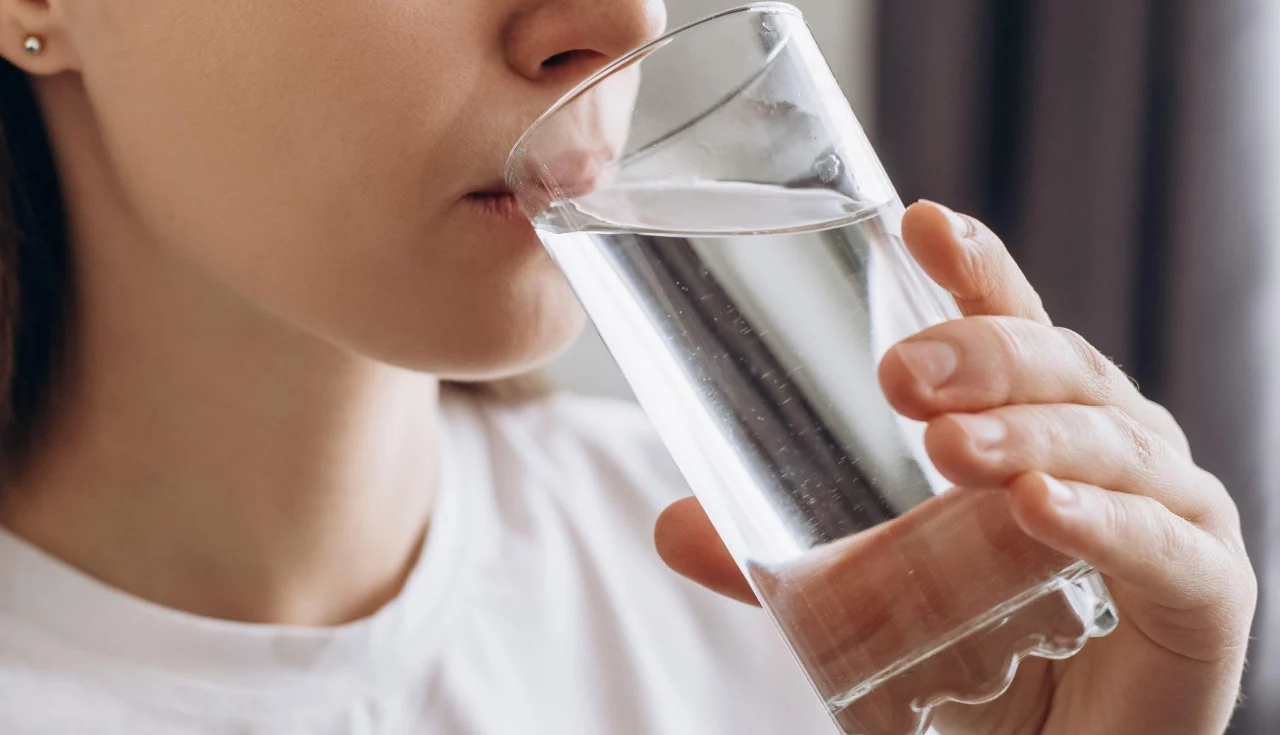
A glass of tap water can look completely ordinary. Clear, colorless, nothing floating around. You’d probably never guess that it can contain a mix of naturally occurring minerals, treatment byproducts, and other dissolved substances that aren’t visible to the eye.
That doesn’t automatically mean your water is unsafe. In fact, most drinking water goes through treatment before reaching your home. Still, water quality can vary from one location to another, and private wells can have their own set of challenges.
This is why understanding filtration is useful. You don’t need to become a water-treatment engineer, but knowing what different filters are designed to do can help you make smarter choices for your home.
Clear Water Isn’t Always the Whole Story
One of the tricky things about water quality is that appearance tells you very little.
Water may look perfectly clear while containing minerals or dissolved substances. Hardness, for example, is caused mainly by calcium and magnesium. Other characteristics may affect taste, odor, plumbing, or appliance performance.
A water test can reveal information that your eyes simply can’t.
For homeowners using private wells, testing is particularly important because groundwater conditions can vary. Seasonal changes, local geology, and environmental factors may all influence the water entering the home.
The first step isn’t buying a filter. It’s finding out what you’re actually trying to remove.
Understanding Dissolved Solids
The term dissolved solids sounds more complicated than it really is. It generally refers to minerals, salts, metals, and other substances that are dissolved in water rather than floating around as visible particles.
Some dissolved substances occur naturally. Calcium and magnesium, for instance, contribute to water hardness. Others may enter water through environmental or infrastructure-related sources.
A high total dissolved solids reading doesn’t automatically tell you whether water is safe or unsafe. It’s a general measurement, not a complete water-quality diagnosis.
That’s why testing for specific substances can be more useful than focusing on one number.
Why Filtration Isn’t One-Size-Fits-All
There are many types of water filters, and each has a particular purpose.
Sediment filters are designed to capture suspended particles such as sand, dirt, and rust. Carbon filters can reduce chlorine and improve taste and odor. Water softeners address hardness minerals. Reverse osmosis systems can reduce many dissolved substances.
The right choice depends on the problem.
Installing a filter without knowing what your water contains is a bit like taking medicine without knowing what you’re treating. It may work, but you’re guessing—and that’s not a great way to spend money.
A basic water analysis can point you in the right direction.
What Does “Wide Range” Really Mean?
You’ll often see filtration systems described as being capable of reducing a wide range of contaminants.
That can be useful, but it’s important to look beyond the wording.
Different systems have different capabilities, and performance depends on the filter media, membrane design, water chemistry, flow rate, and maintenance. A system that reduces chlorine effectively may not be designed to address hardness or certain metals.
If you are concerned about a particular contaminant, look for documented performance information. Reputable manufacturers typically provide details about what their equipment is designed and tested to reduce.
The more specific your concern, the more important this becomes.
Taste Is Often What People Notice First
You don’t need a laboratory report to know when water tastes unpleasant.
Chlorine can leave a noticeable flavor. Certain minerals may alter the taste, and some homeowners simply dislike the flavor of their local water supply.
This is one reason filtration becomes appealing even when there isn’t a major water-quality concern.
A properly selected filter can improve taste and odor, making tap water more enjoyable. And there’s a practical benefit here: if your family likes the taste, they may be more inclined to drink it instead of reaching for bottled water.
That’s a small change, but it can add up.
Reverse Osmosis for Drinking Water
When homeowners want a higher level of filtration for drinking and cooking, reverse osmosis is often considered.
Reverse osmosis uses pressure to push water through a semipermeable membrane. Many dissolved substances are rejected by the membrane, while treated water passes through.
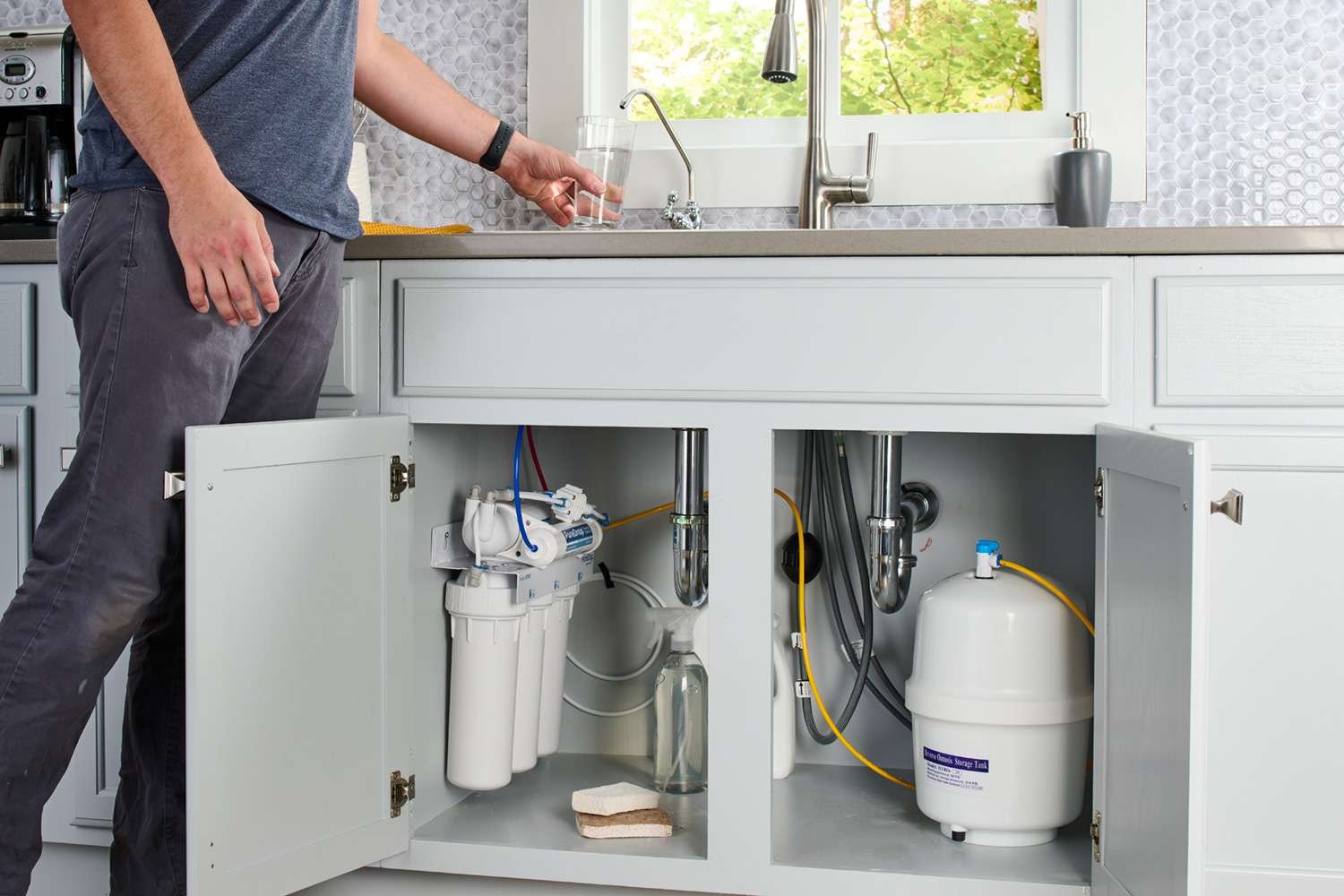
Most household systems use several stages, including sediment and carbon filtration before the RO membrane. Some also have a post-filter to improve taste.
RO isn’t automatically necessary for every home. It also produces wastewater and requires regular filter and membrane replacement.
Again, the water test should guide the decision.
Whole-Home or Point-of-Use?
This is another important choice.
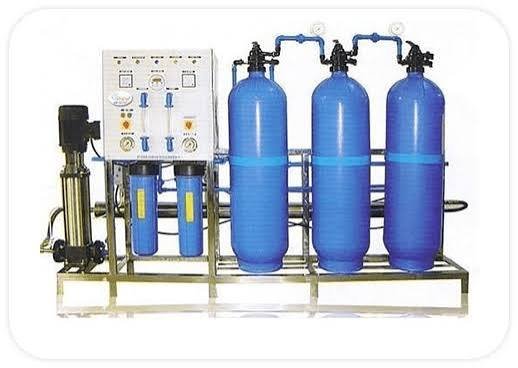
A whole-home system treats water as it enters the property, providing treated water at multiple fixtures. This can make sense when the concern affects the entire household supply.
A point-of-use system, such as an under-sink filter, focuses treatment where drinking and cooking water are needed.
Neither approach is universally better. If your main concern is taste at the kitchen faucet, a point-of-use system may be perfectly reasonable. If you’re dealing with widespread sediment or another issue throughout the property, whole-home treatment may be more appropriate.
Don’t Forget Maintenance
Even the best filter becomes less useful when it’s neglected.
Filters have replacement schedules. Membranes wear out. Carbon media eventually becomes saturated. Some systems also require sanitization or other periodic servicing.
Set reminders on your phone or calendar. It sounds simple, but it’s surprisingly easy to forget a filter that lives underneath the kitchen sink.
Also pay attention to changes in taste, pressure, or water appearance. These can be early clues that a filter needs attention.
Making Better Water Choices
At the end of the day, water filtration isn’t about buying the most expensive equipment or choosing a system with the longest list of features.
It’s about solving a real problem.
Test the water. Understand what the results mean. Decide whether you need to address hardness, sediment, taste, specific contaminants, or dissolved substances. Then choose a system that fits those needs and your household’s budget.
When the treatment approach is appropriate and properly maintained, the result can be wonderfully simple: crisp, great-tasting water waiting at the tap.
No complicated routine. No endless bottles cluttering the refrigerator. Just water you feel comfortable pouring into a glass and enjoying.
Sometimes, the smartest home improvement is the one you barely notice once it’s working.