

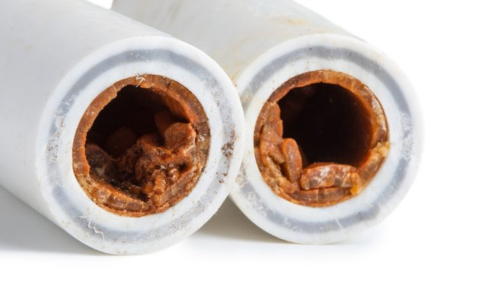
There’s nothing quite like turning on your faucet and getting a face full of unpleasant surprises — rusty streaks, a sulfuric stench, or gritty water that feels like it came from a mud puddle. If you’re living with a private well or in an area with aging infrastructure, these aren’t just theoretical headaches — they’re your everyday reality.
But here’s the good news: You’re not stuck with it. These aren’t signs to panic — they’re signals your water’s asking for a bit of attention. And with the right mix of patience, smart tech, and a bit of old-fashioned curiosity, you can fix it.
Let’s walk through the dirty truth about water — and how to clean it up.
Rusty Water Woes: What’s Up With All That Orange?
Ever noticed reddish stains in your sink, or your white laundry coming out looking like it lost a fight with a clay pit? That’s iron in your water. It’s incredibly common, especially in well systems, and while it’s not dangerous to your health, it is absolutely a nuisance.
The thing is, iron can show up in two forms — soluble (clear when it comes out of the tap but stains later) or oxidized (already rusty looking when it hits your glass). Depending on which type you’re dealing with, your approach will vary.
This is where iron and rust filters come into play. Some work through oxidation, converting clear water iron into particles you can trap. Others rely on special media that absorb or neutralize the metal before it stains a thing. The right system depends on your water test results, not just the stains you see. Don’t guess — test.
That Rotten Egg Smell? You’re Not Imagining It
Let’s talk about that smell. You know the one — like someone cracked a dozen eggs and forgot to clean up. It’s not your imagination. It’s hydrogen sulfide gas, often caused by sulfate-reducing bacteria in your well or plumbing.
The smell is strong, unmistakable, and incredibly off-putting. Coffee made with it tastes weird. Showers smell like science experiments. Hosting guests becomes a delicate dance of apologies.
Thankfully, sulfur odor water treatments are more advanced than ever. From air-injection oxidation systems to catalytic carbon filtration to shock chlorination (when bacteria are the culprit), there are real, tested solutions for different sulfur issues. No more lighting candles after a shower — unless you just want to.
Grit in the Glass: The Silent Offender
Sometimes, the water doesn’t smell. It doesn’t even stain. But it’s gritty. That fine layer of sediment at the bottom of your glass? That’s not minerals, it’s actual particles — sand, silt, dirt — that your system isn’t filtering out.
This can be especially damaging over time. Sediment wears down washers, clogs pipes, damages water heaters, and shortens appliance lifespan.
That’s where sediment removal steps in. The right filter — whether it’s a basic spin-down, cartridge filter, or a multi-stage system — can catch those tiny troublemakers before they wreak havoc on your plumbing. Again, a water test and a bit of observation go a long way in figuring out the best setup. Filters aren’t one-size-fits-all. Don’t fall for the trap of “more is better.” Right is better.
Layering Your Protection: It’s a Whole System, Not a One-Off Fix
One of the biggest mistakes folks make is thinking one filter will fix it all. Iron filter, job done. Smell gone? Perfect. Water still cloudy? Hmm.
Water issues tend to be layered. Iron might be present alongside sulfur. Sediment might sneak in through shifts in water table levels or seasonal runoff. That’s why the best water treatment setups think in stages. Pre-filters catch the big stuff. Media filters or oxidizers handle specific contaminants. Carbon removes odors and tastes. UV or chemical treatments handle microbes (when needed).
It’s a little like building a security system — no single lock solves everything, but the layers create real safety.
A Note on Maintenance: Filters Aren’t Forever
Now for the honest part — water filters are like car tires. They work hard, they wear down, and they need attention. Ignoring maintenance leads to clogs, reduced effectiveness, and wasted money.
Stay on top of replacement schedules. Watch for changes in water pressure, taste, or clarity. If your water starts acting weird again, don’t assume your system’s broken. Maybe it just needs a little love.
And get your water retested annually. Water isn’t static. Ground conditions change. Wells age. A little regular care saves big headaches later.
Don’t Go It Alone (Unless You Love Deep Plumbing Research)
You absolutely can learn enough to pick a great water treatment system yourself. But it’s okay — smart, even — to get help. Water professionals can read test results better than Google. They’ll explain the tradeoffs between filter types, media lifespan, flow rates, and upfront vs. long-term costs.
The goal isn’t to overspend — it’s to solve the problem without creating five new ones. So whether you go the DIY route or hire a pro, remember: clean water is possible, and it’s worth the effort.
Final Sip: Your Water, Your Rules
Here’s the bottom line: you shouldn’t have to compromise on something as essential as water. Not on smell. Not on stains. Not on the feeling that you’re constantly one step behind whatever’s lurking in your pipes.
With the right mix of iron and rust filters, reliable sulfur odor water treatment, and proper sediment removal, your water can be clean, fresh, and worry-free again.